Archeological records indicate that the Pyramids of Giza were built between 2589 and 2504 BC, and are relics of Egypt’s’ Old Kingdom. This plateau of ancient monuments includes the three pyramid known as the Great Pyramid’.
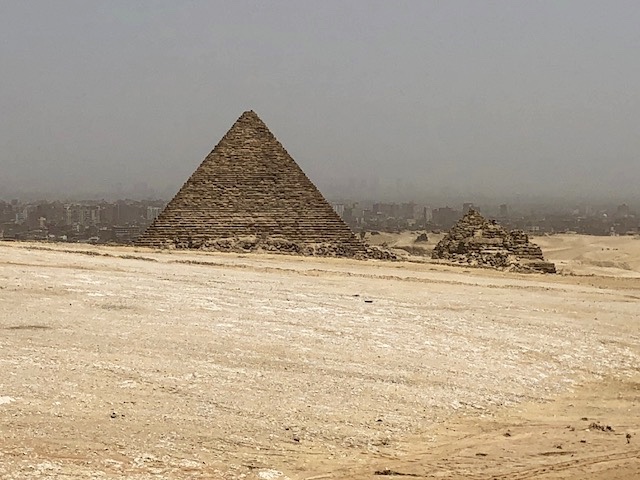
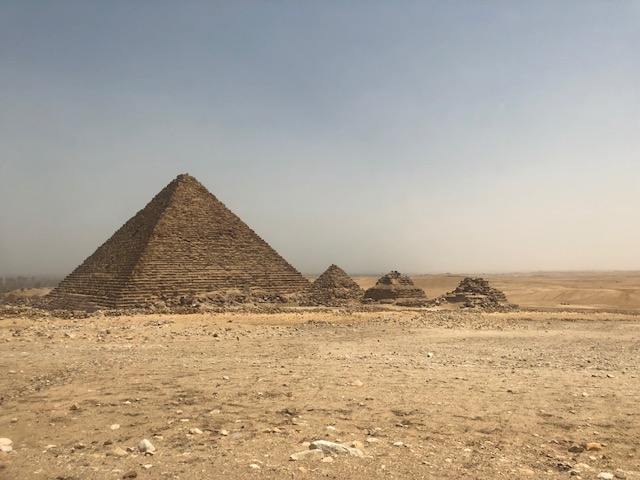
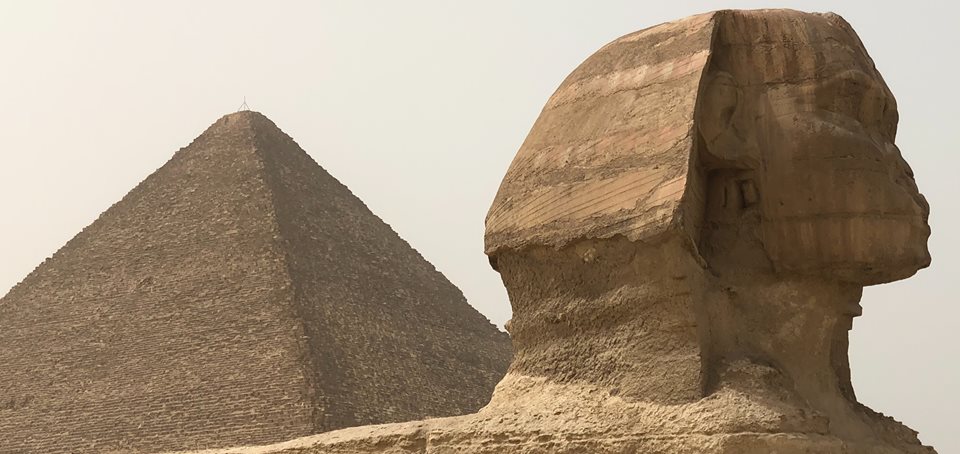
The first of these monumental tombs was built for the Pharaoh Khufu, and is the largest pyramid at 481 feet. Khufu’s son the Pharaoh Khafre built the second pyramid, and his necropolis included the Sphinx, which is a limestone monument with the body of a lion and a head of a human. The third of the Pyramids is the smallest and was built by Pharaoh Menkaure.

 The ancient engineering feats at Giza are most impressive that scientist of today are not sure how the pyramids were built. Yet they have learned about the people who built the structures. The builders were skilled workers who lived nearby, and digs on the sites have revealed a highly organized community, rich with resources. Tomb art includes depictions of an ancient world of farmers working fields, fishing, tending livestock, and doing carpentry.
Travel stylishly,
K