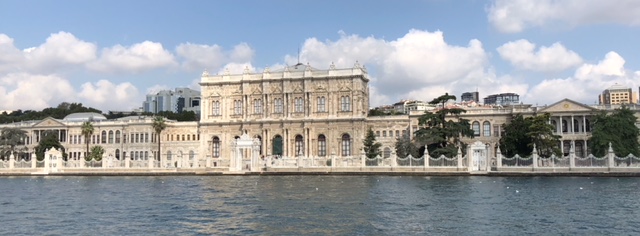
İstanbul Archaeology Museums

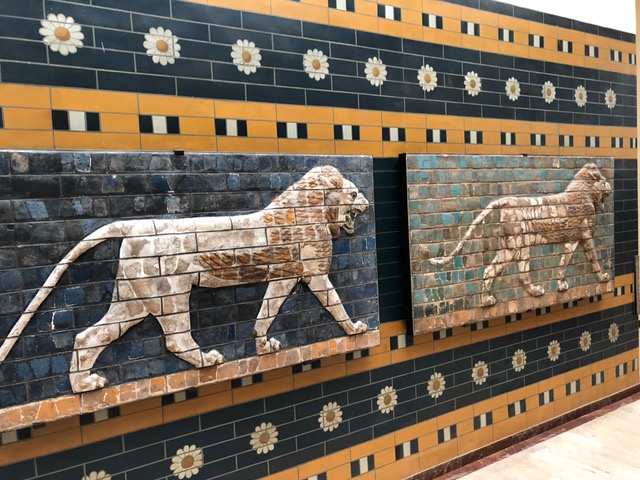
The Archaeological Museum in Istanbul consists of three structures; the first is the main building that is the Archaeological Museum, the second museum is the Ancient Orient and the third the Islamic art called the Tiled Kiosk, which is a pavilion set within the outer walls of Topkapi Palace and dates from 1472, and built by the Ottoman sultan Mehmed II. Here are a few tiled items along with mosaics that I found to be exceptionally breathtaking. 
Important artifacts such as the Sarcophagies of Alexander the Great and King Tabnit, both unearthed at the Royal Necropolis of Sydon (Saida, Lebanon) are on display and considered significant archeological discoveries.

Istanbul Archaeological Museum Alemdar Caddesi Osman Hamdi Bey Yokusu Sok. 34122, Gulhane Faith, Istanbul [+90 212] 5272700

Travel stylishly,
K

Destination: Istanbul

As summer comes to a close our team headed to Istanbul this week, that modern-day city that sits at the crossroads of Europe and Asia and most definitely straddles both the ancient and modern worlds. The Bosphorus is still a route for maritime trade with the sounds of merchants and construction keeping the area buzzing with the various cultures.

Whenever you travel it is best to rise early to partake in the historical sites, visit museums, but while in Istanbul you must drink tea, enjoy a Turkish breakfast or visit public bathing called ḥammām.

Faith [historically Constantinople] is the capital district in Istanbul, and Beyazit Square is located in the European section of the city.

Mihrimah Sultan Mosque [Ottoman] near the fountain of Sultan Ahmed III in Faith Turkey

Kilic Ali Pasa Hamami 
Every visitor to Istanbul should experience a Turkish bath, and at Kilic Ali Pasa they offer the traditional ḥammām. This service includes an attendant who will wash and massage you., but no matter which service you choose you may use the facility for as long as you wish.

One of the most picturesque sights in Turkey is the Ortaköy Mosquethat sits on Bosphorus. Designed by Armenian architect Garabet Balyan in 1855 in neo-Baroque style.

Most churches and mosque have exquisite features, and these 13th century Byzantine mosaic’s in the Hagia Sophia are absolutely spectacular.

Travel stylishly,
K