One does not spend a weekend in NYC without amassing choice addresses along with key facts of favorite locales that were experienced while visiting, and once a location bears merit it is immediately jotted down so, that upon returning to this illustrious city, we have our very own guide-book of captivating sites plus, a great reference for mapping out itineraries.
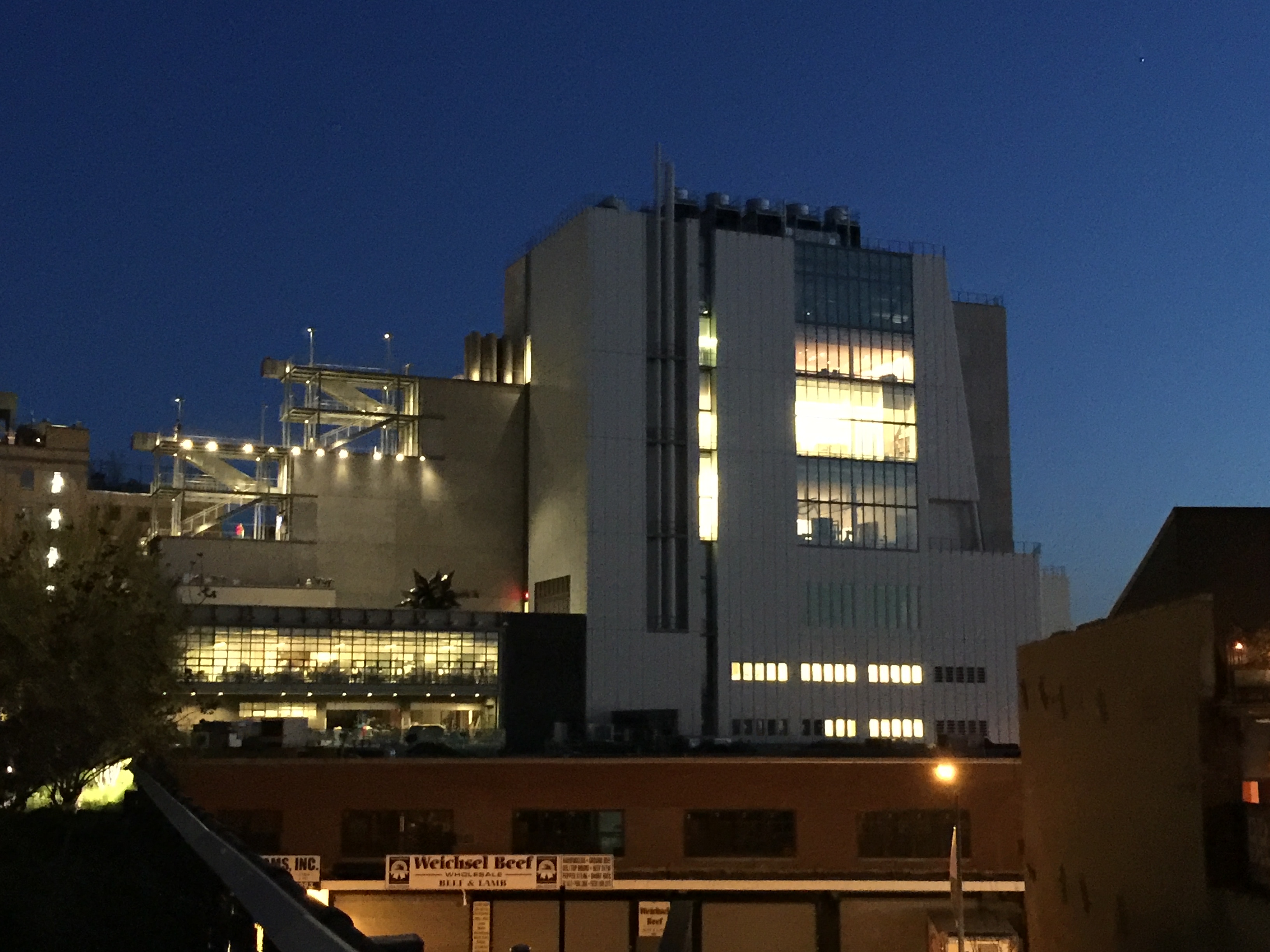 {Photo of the Whitney taken from the High Line}
Whitney Museum of American Art
99 Gansevoort St, New York, NY 10014
The Whitney Museum of American Art has reopened after a lengthy renovation at the south end of the High Line next to the Meat Packing District in a building that covers nine floors and 220,000 square feet. Along with a gorgeous view of the Hudson the building was designed by Italian architect Reno Piano, this upgrade of 20,500 square feet for two floors is double the previously allocated space for contemporary favorites such as Mark Rothko and Andy Warhol. The inaugural exhibit America Is Hard to See is on display until September 27, 2015, which features nearly 650 works dating back to 1900, all chosen from the permanent collection. Enjoy this architectural review from the New York Times: A New Whitney by Michael Kimmelman.
 {The Name Day of the Madame by Degas a monotype depicting ladies in a brothel wearing only their colored stockings and shoes. Pierre-Auguste Renoir singled this work for praise, observing that “any treatment of such subjects is likely to be pornographic…”
MoMA
11 W 53rd St, New York, NY 10019
To avoid long queues attend on Uniqlo Free Friday Nights after 5:30 without a backpack for quick entry into the museum and make sure you schedule plenty of time to see Edgar Degas: A Strange New Beauty which will be on display until Sunday, July 24th.


 Laduree SoHo
396 West Broadway
New York City, 10012
After a jammed packed morning of museum hopping in the rain, there is nothing like stopping into a cozy tea room with soothing music to find utter relaxation and have a thorough drying out. Laduree a French luxury bakery best known for their double-decker macarons was the perfect hide-a-way to enjoy a fresh pot of coffee along with a few tea sandwiches.
Muji
455 Broadway
New York City, 10013
Muji is a Japanese nick-knack shop that sells a wide variety of household and consumer goods, and is great fun perusing unique products!!
Travel stylishly,
K


 Stylish Heath