Cruising for a Cause

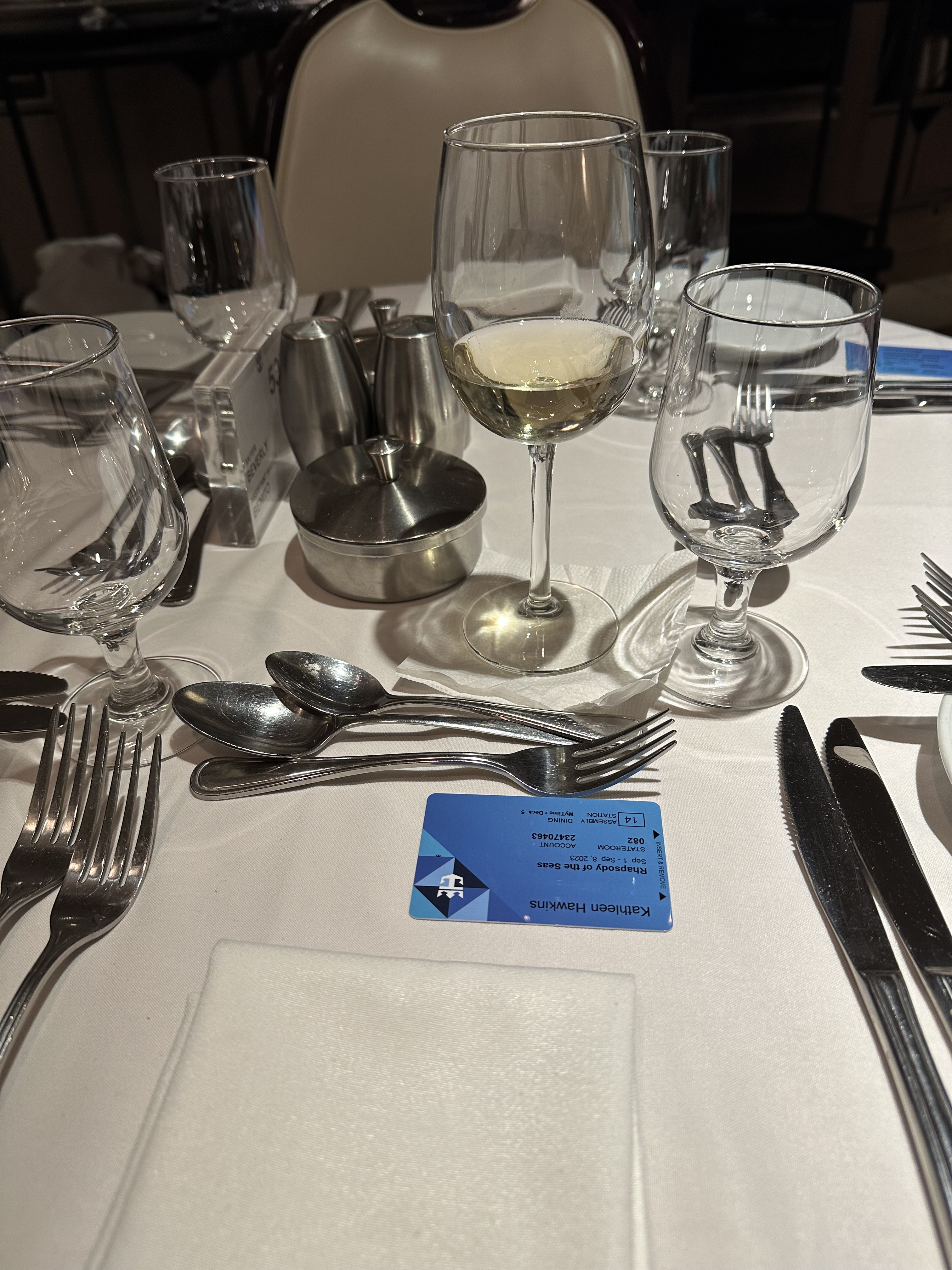
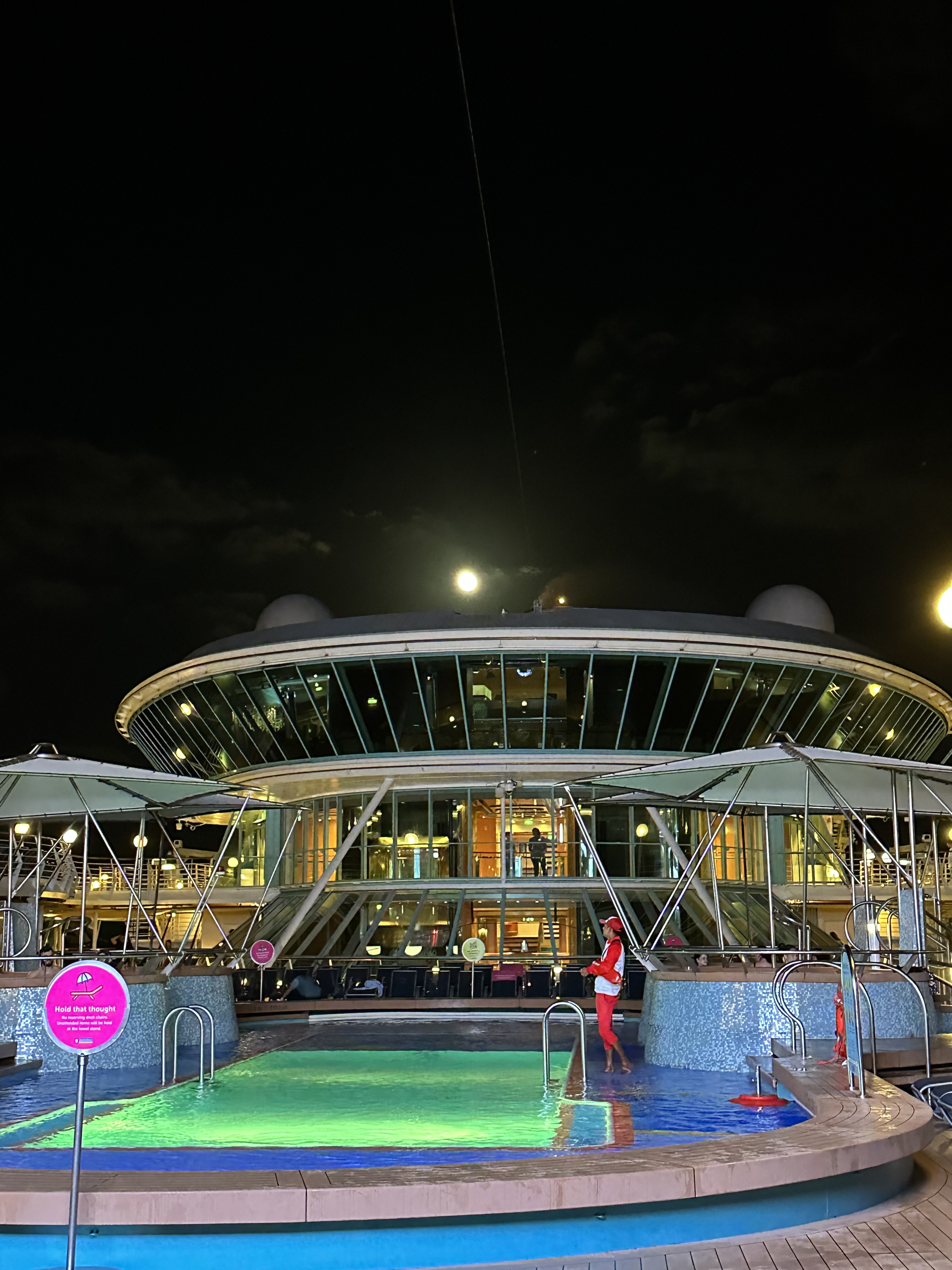
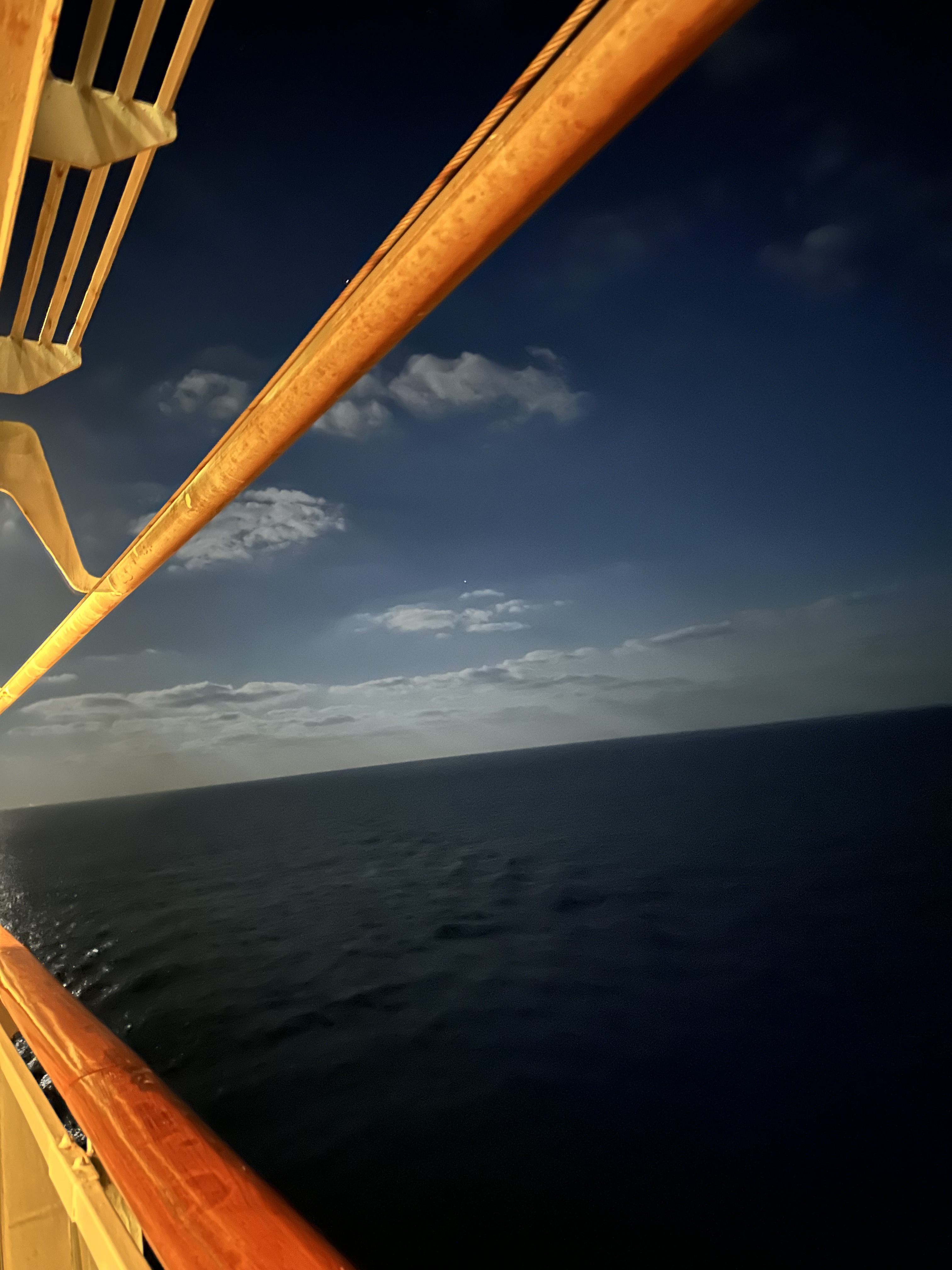
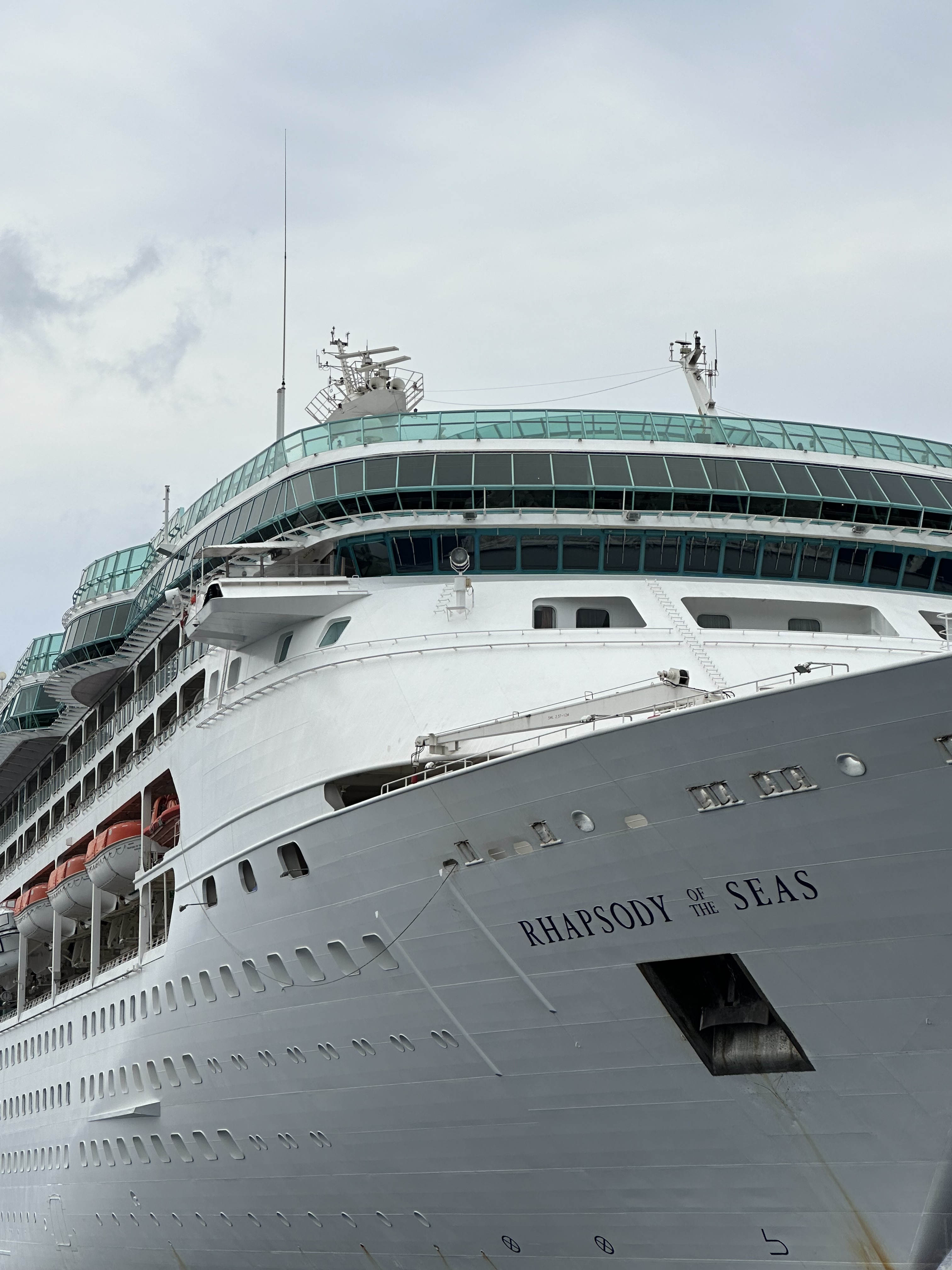
After our return from Europe and the Middle East I began drafting several posts for Stylish Heath. One was written on October 5th highlighting our cruise on Royal Caribbeans’ ship “Rhapsody of the Sea” to sail the Mediterranean to Greece from Haifa. But, two days later war was declared in Israel and the post would have been in poor taste to publish.

Last week Tony sent an Instagram notice stating that U.S. commercial carriers had suspended flights in and out of Tel Aviv. American Airlines and Delta Air would suspend all flights for the next few months to and from Israel, while United has suspended flights indefinitely.

With a scarcity of flights, there are still hundreds of Americans trying to return to home. According to the article the State Department requested the assistance of Royal Caribbean’s “Rhapsody of the Seas” since it was at the Port of Haifa to sail families to Cyprus. From here they will arrange their own accommodation to the U.S.

This is what I would call cruising for a cause and an extremely good one I may add!!!

Kathleen

Haifa Israel

Bahai Garden Haifa overlooking the Mediterrean Sea

Located in northwestern Israel, Haifa is situated on the slopes of Mount Carmel and faces the Mediterranean Sea. Our first stop was to the Bahai Gardenss that consisted of concentric circles filled with flowers, small trees, small sculptures, water fountains and pools. The sides of the gardens are wooded areas designed to house wildlife and to cut down on urban noise.

Birds Mosaic in Caesarea

On a sandhill outside the Caesarea walls are the remnants of an excavated mansion. The complex included mosaic paved rooms, porticos and patios that were built around a central courtyard. Fragments indicate the building was two stories, and on the ground level mosaic floors have been found intact. The mansion burned down after the Arab conquest in 640 CE, but part of the building was excavated in 1955 revealing a mosaic pavement of the central courtyard that portrays animals, birds, and fruit trees.

Ruins of Caesarea

Originally an ancient Phoenician settlement known as Strato’s Tower was rebuilt and enlarged in 22-10 BCE by Herod, king of Judaea under the Romans and renamed for his patron [emperor Caesar Augustus]. Caesarea had an artificial harbor of large concrete blocks and typical Hellenistic-Roman public buildings. The aqueduct which you can still see brought water from springs located almost 10 miles (16 km) to the northeast, and this compound also served as a base for the Herodian navy.

To see remnants of this ancient city are incredible. Teams have been excavating since 1950 and have unearthed a Roman temple, amphitheater, and a hippodrome that can seat 20,000. Further excavations on land and underwater are giving a clearer picture of the artificial harbor built by Herod the Great.

Stay tuned,
Kathleen