Haifa Israel

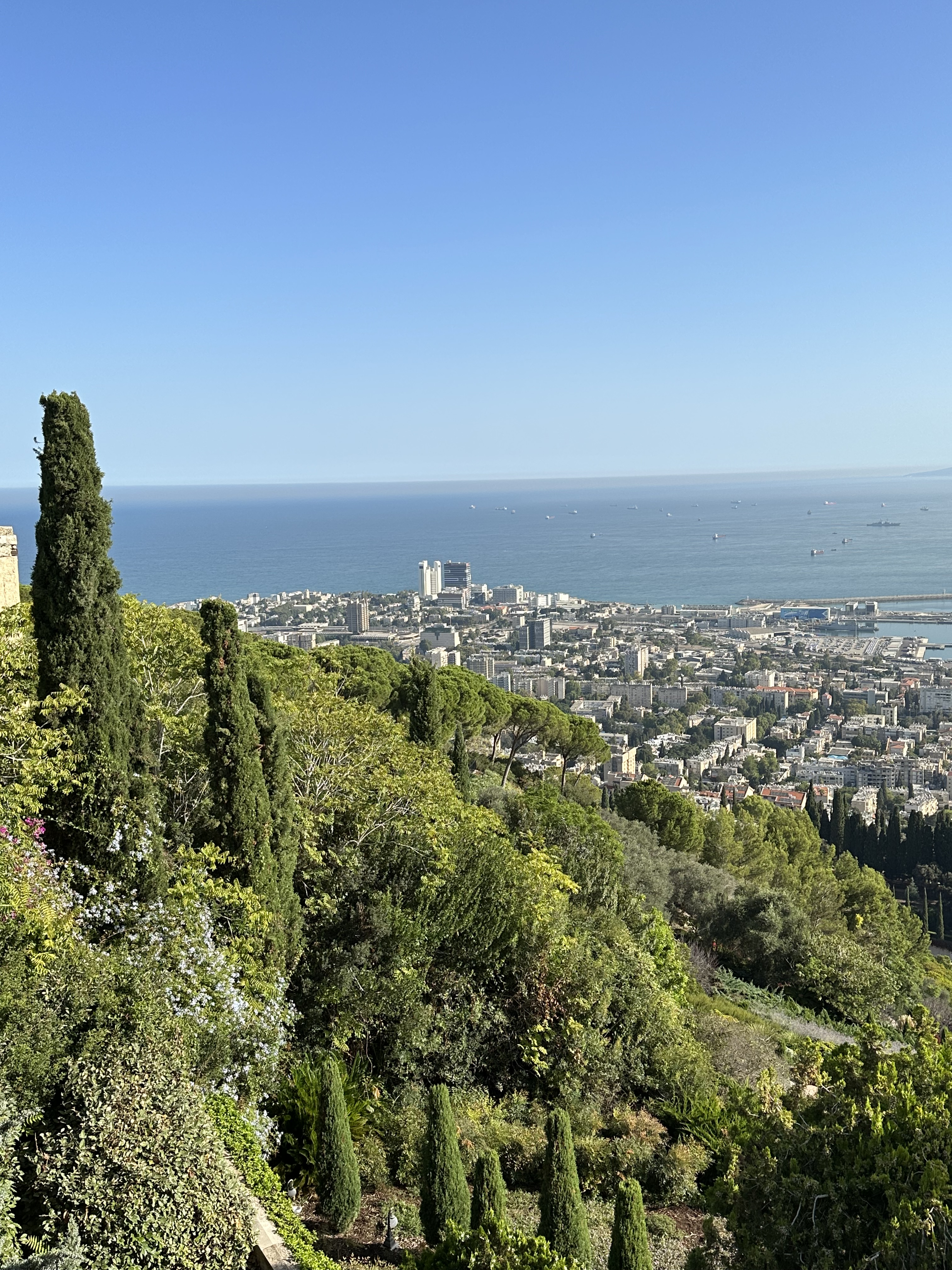
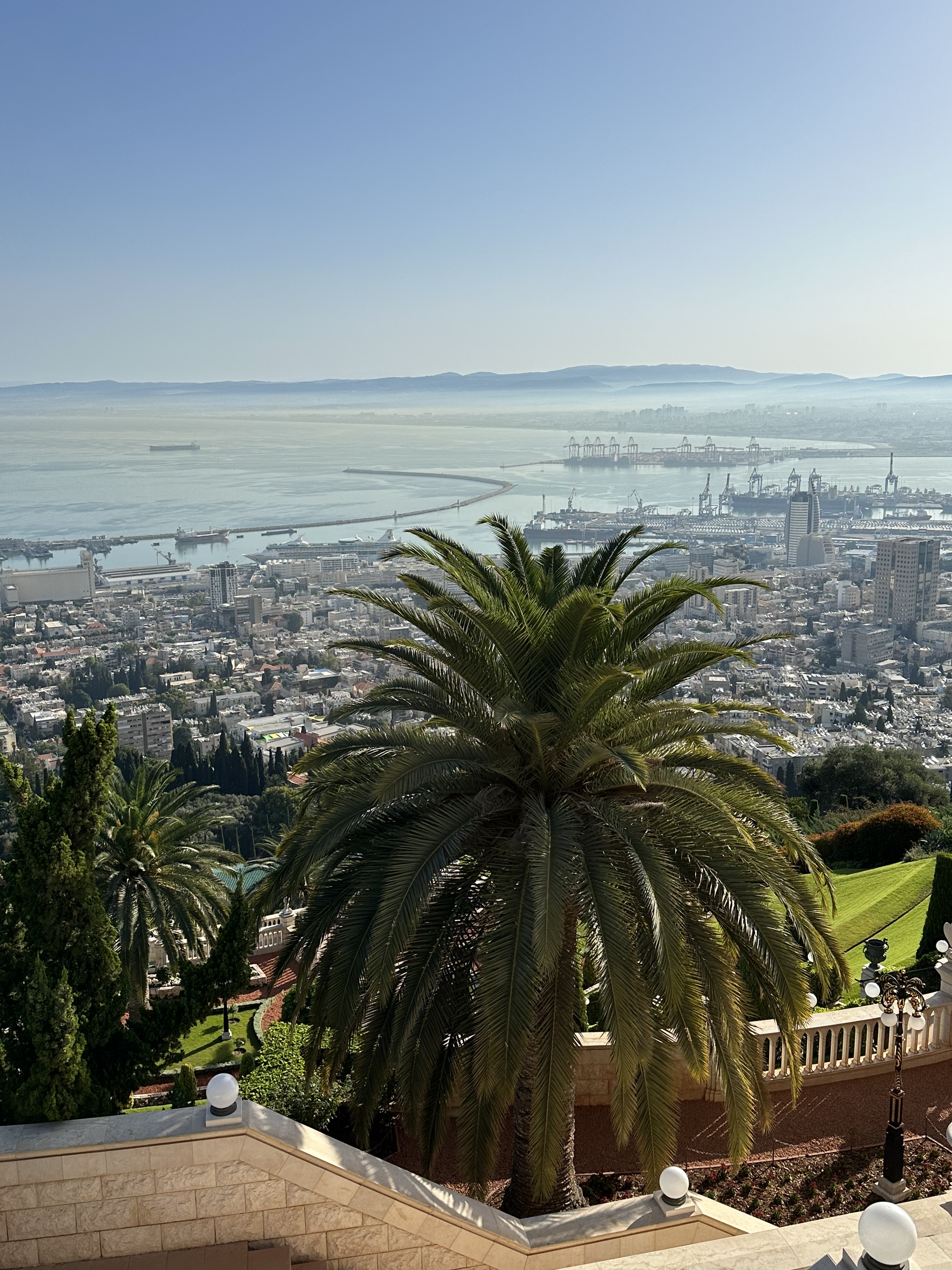
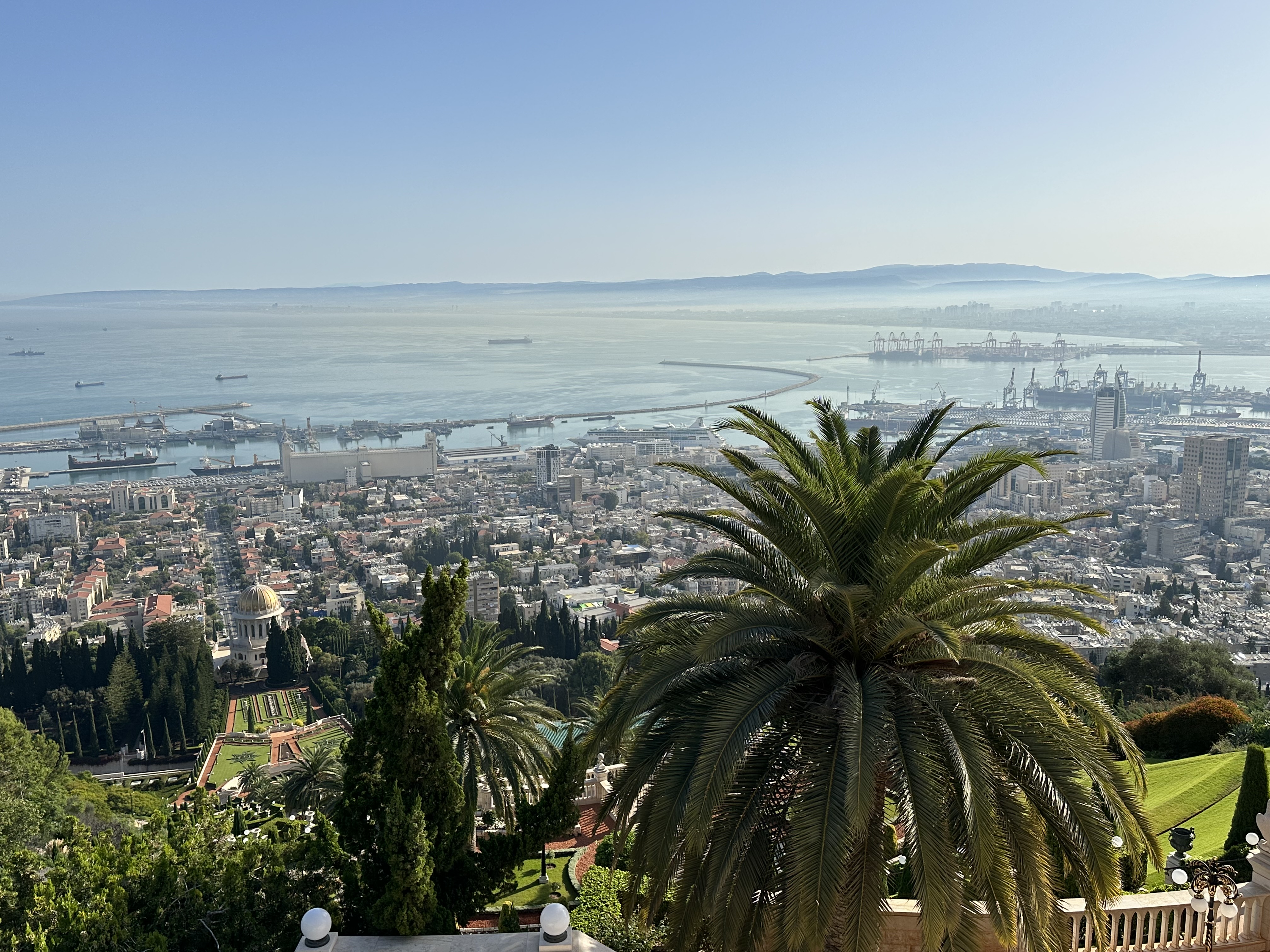
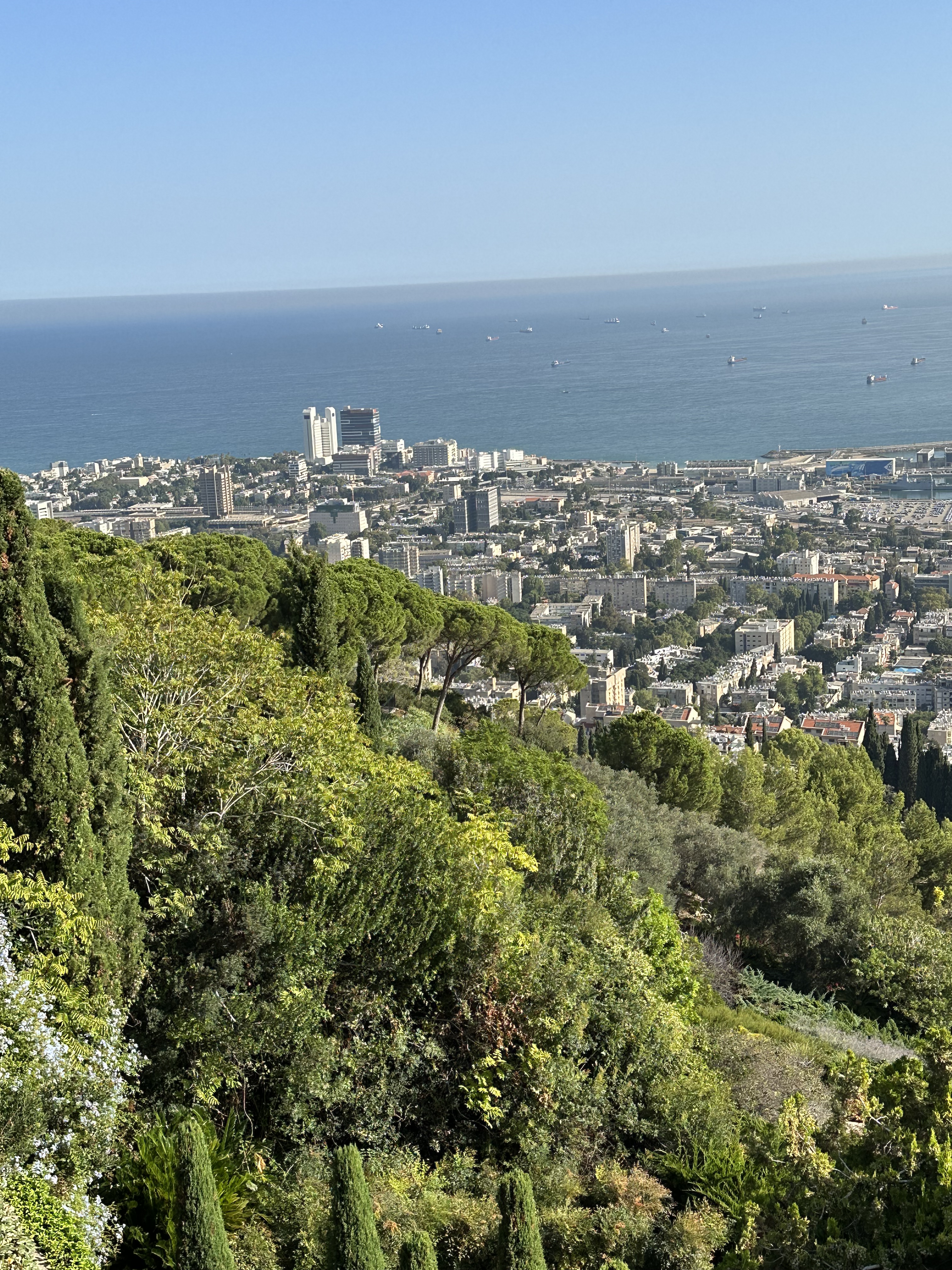
Bahai Garden Haifa overlooking the Mediterrean Sea

Located in northwestern Israel, Haifa is situated on the slopes of Mount Carmel and faces the Mediterranean Sea. Our first stop was to the Bahai Gardenss that consisted of concentric circles filled with flowers, small trees, small sculptures, water fountains and pools. The sides of the gardens are wooded areas designed to house wildlife and to cut down on urban noise.
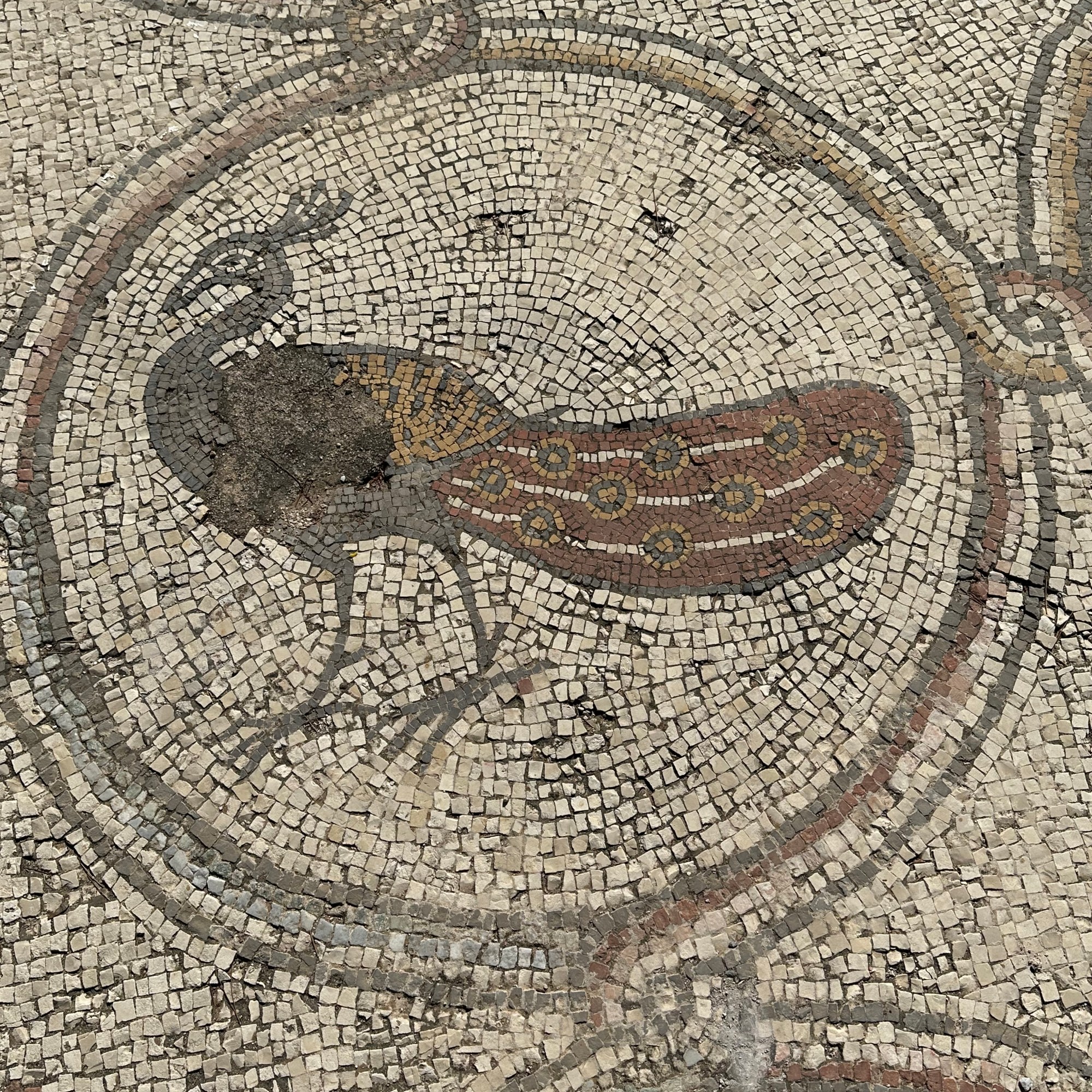
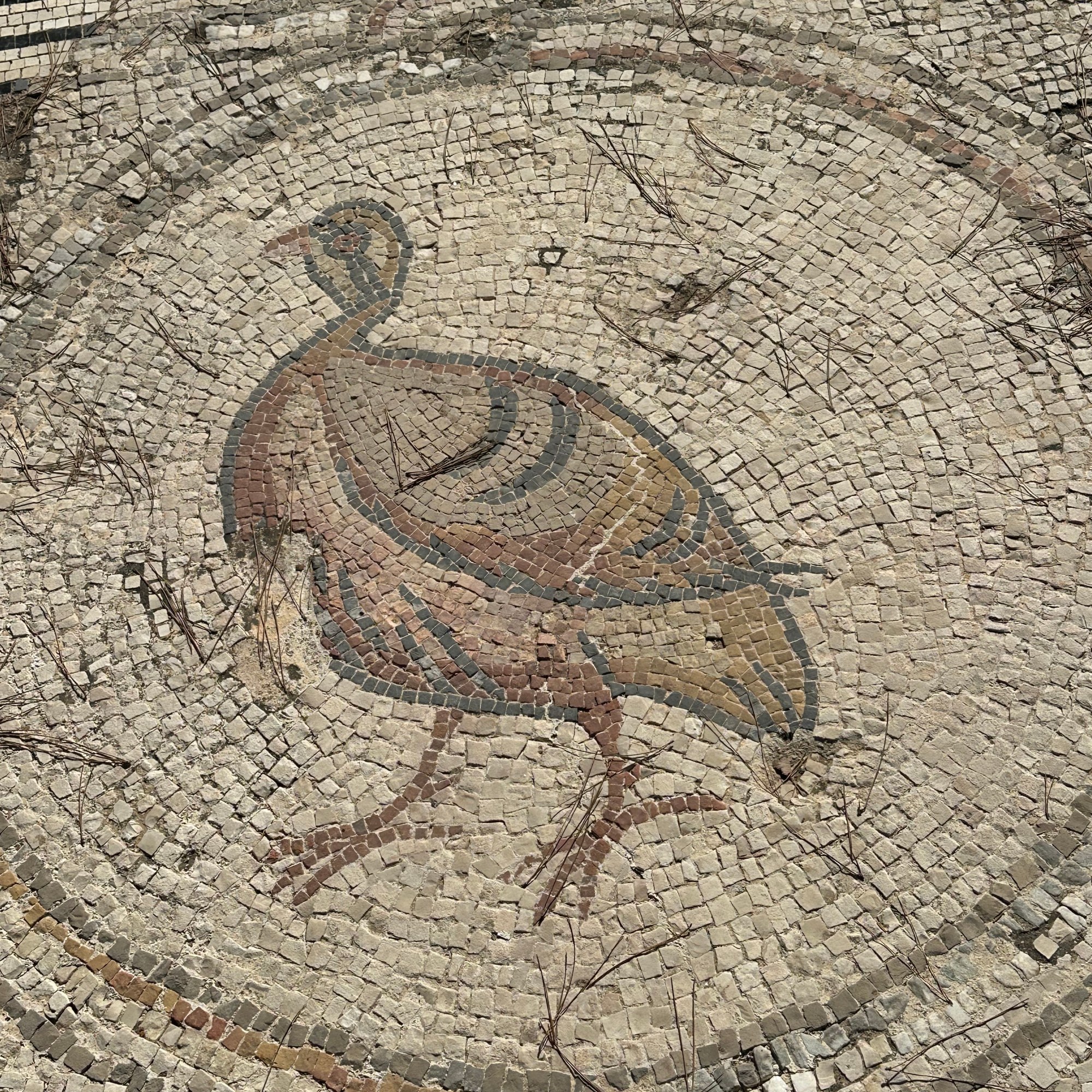
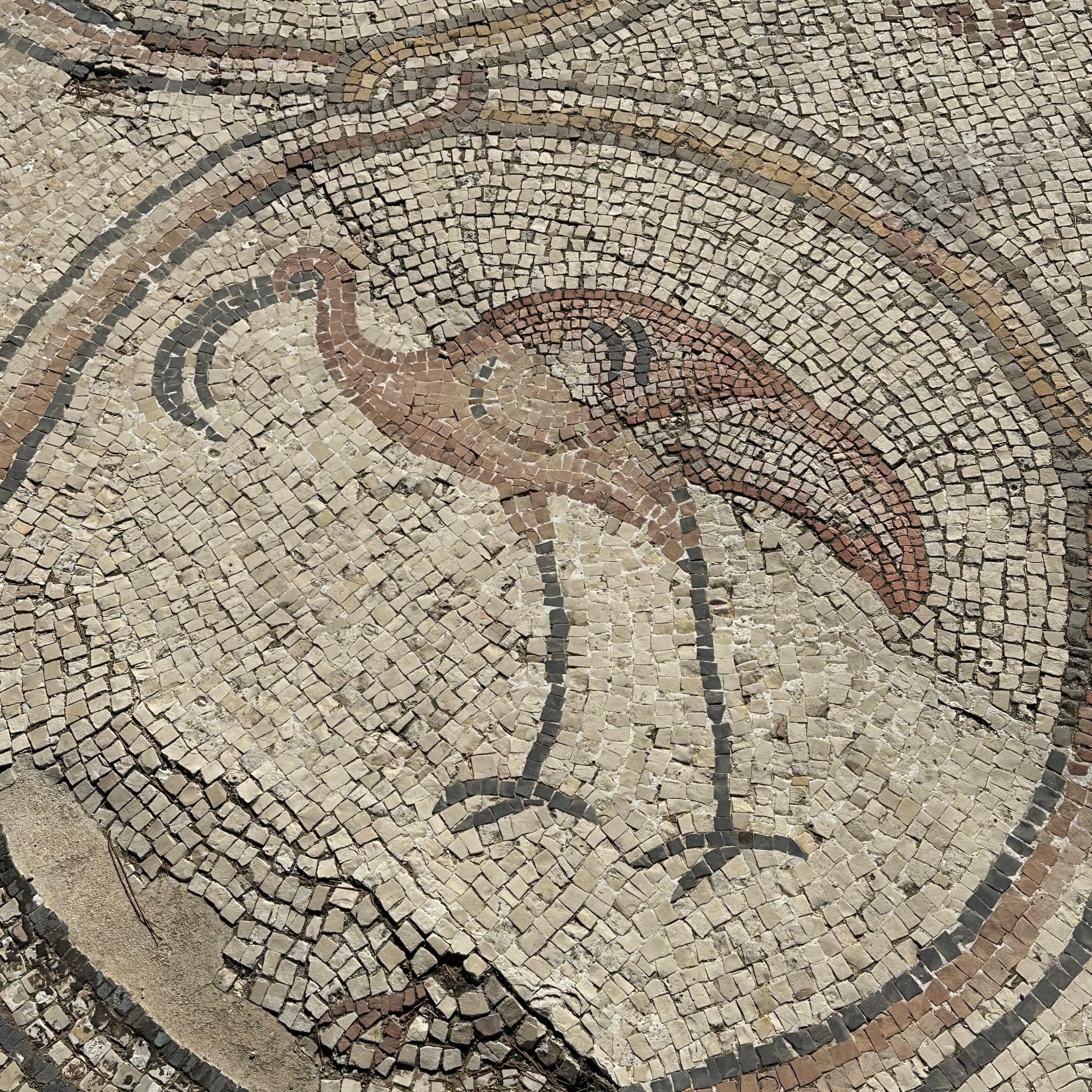
Birds Mosaic in Caesarea

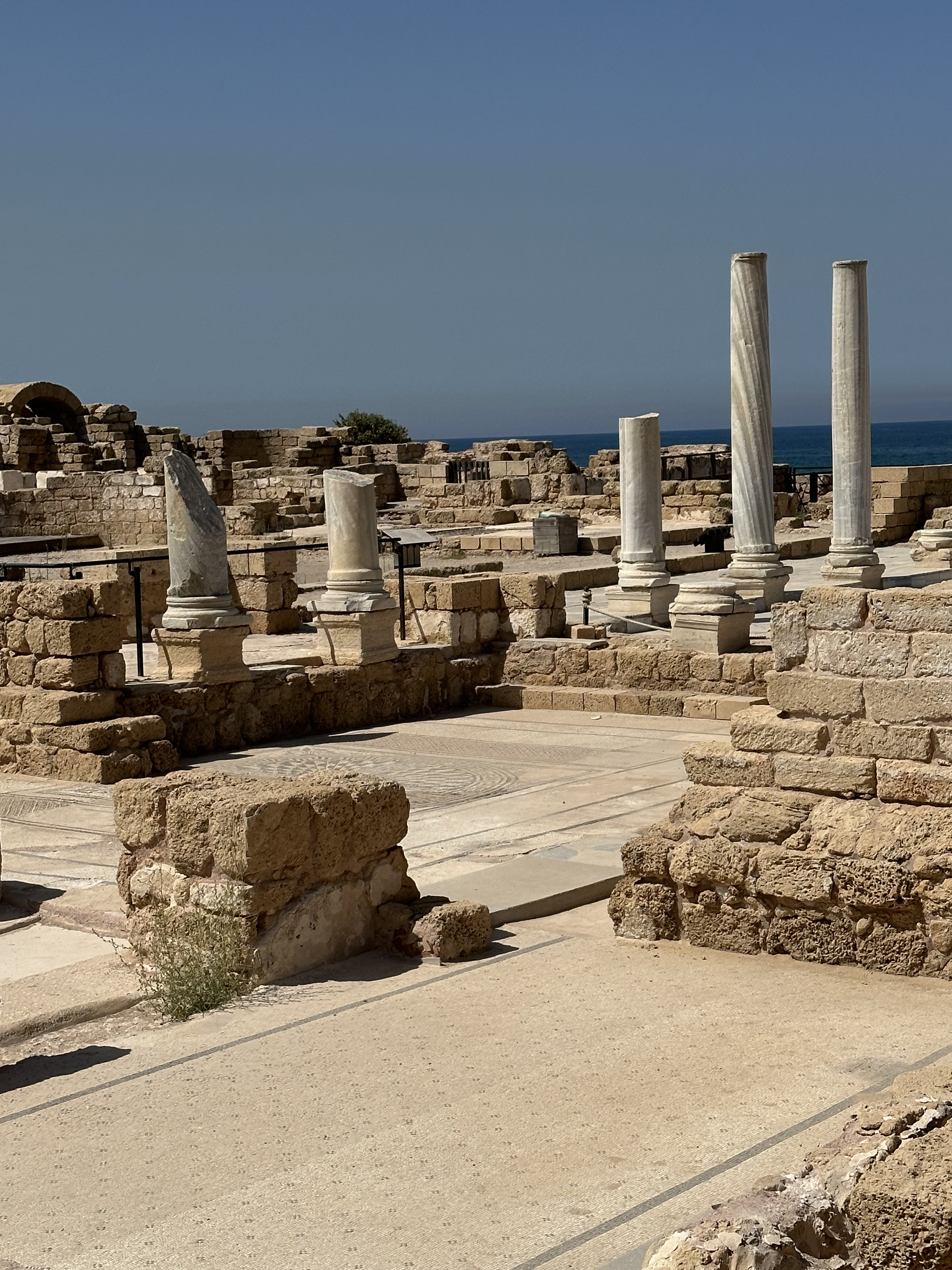
On a sandhill outside the Caesarea walls are the remnants of an excavated mansion. The complex included mosaic paved rooms, porticos and patios that were built around a central courtyard. Fragments indicate the building was two stories, and on the ground level mosaic floors have been found intact. The mansion burned down after the Arab conquest in 640 CE, but part of the building was excavated in 1955 revealing a mosaic pavement of the central courtyard that portrays animals, birds, and fruit trees.
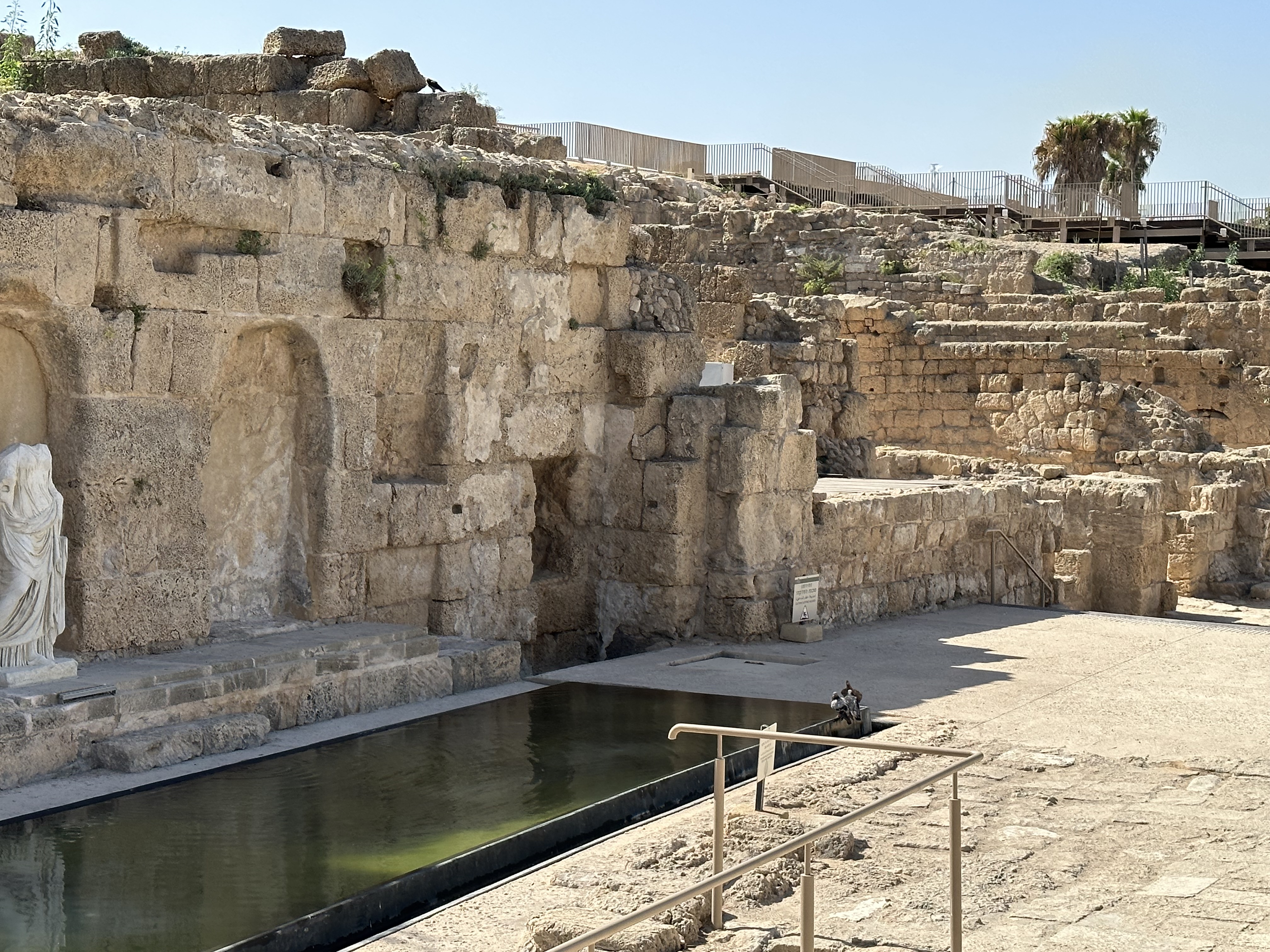
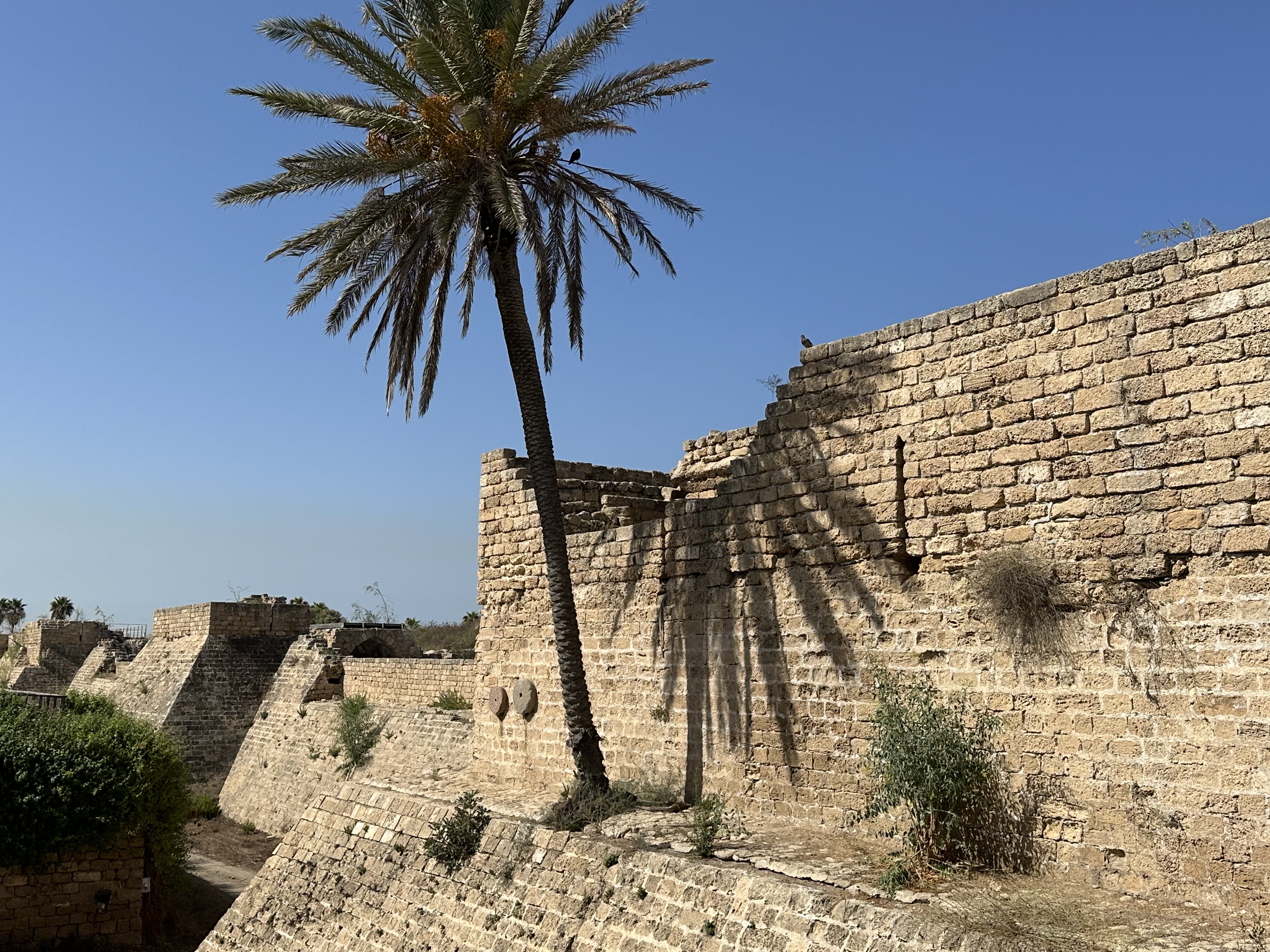
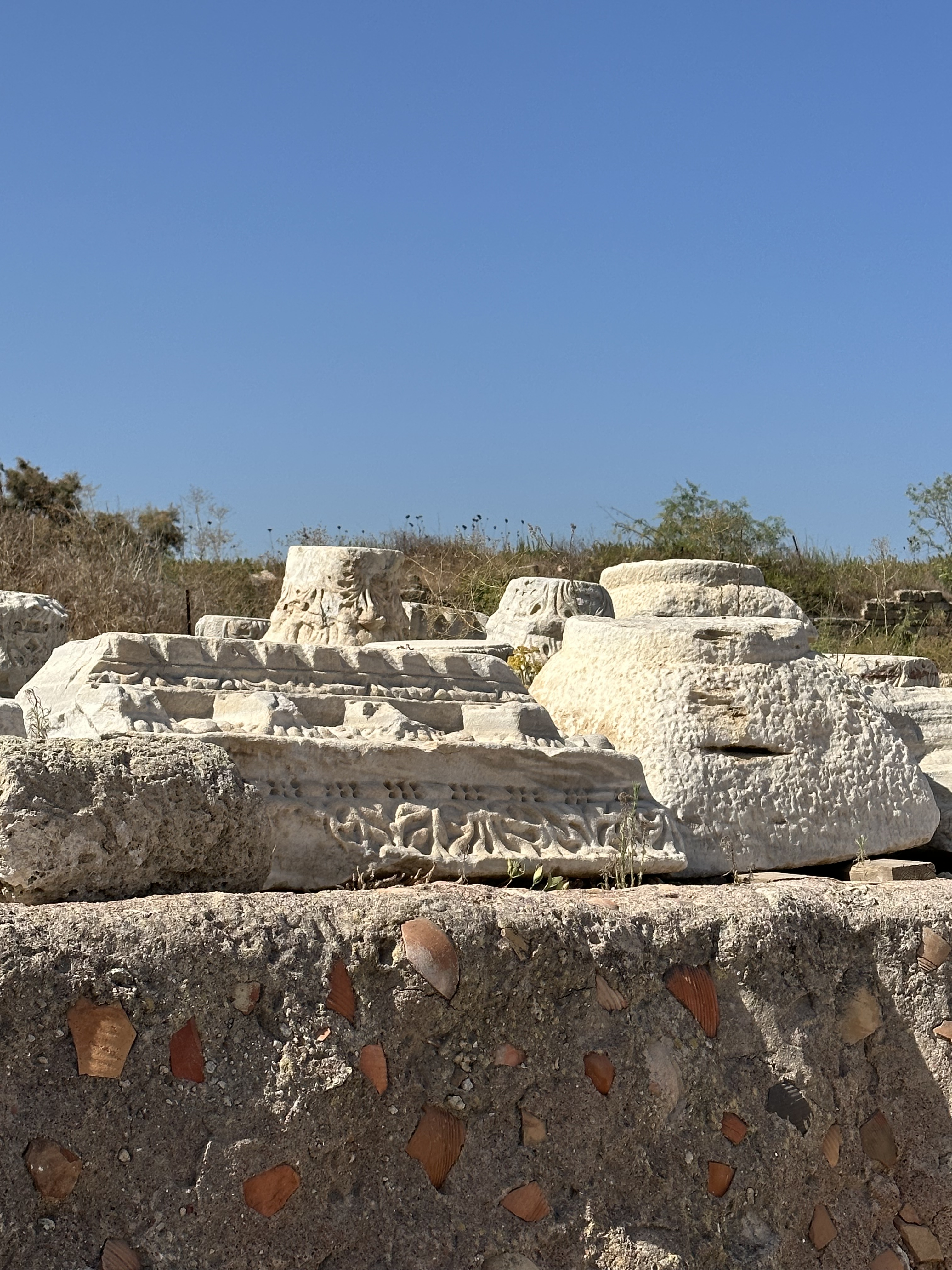
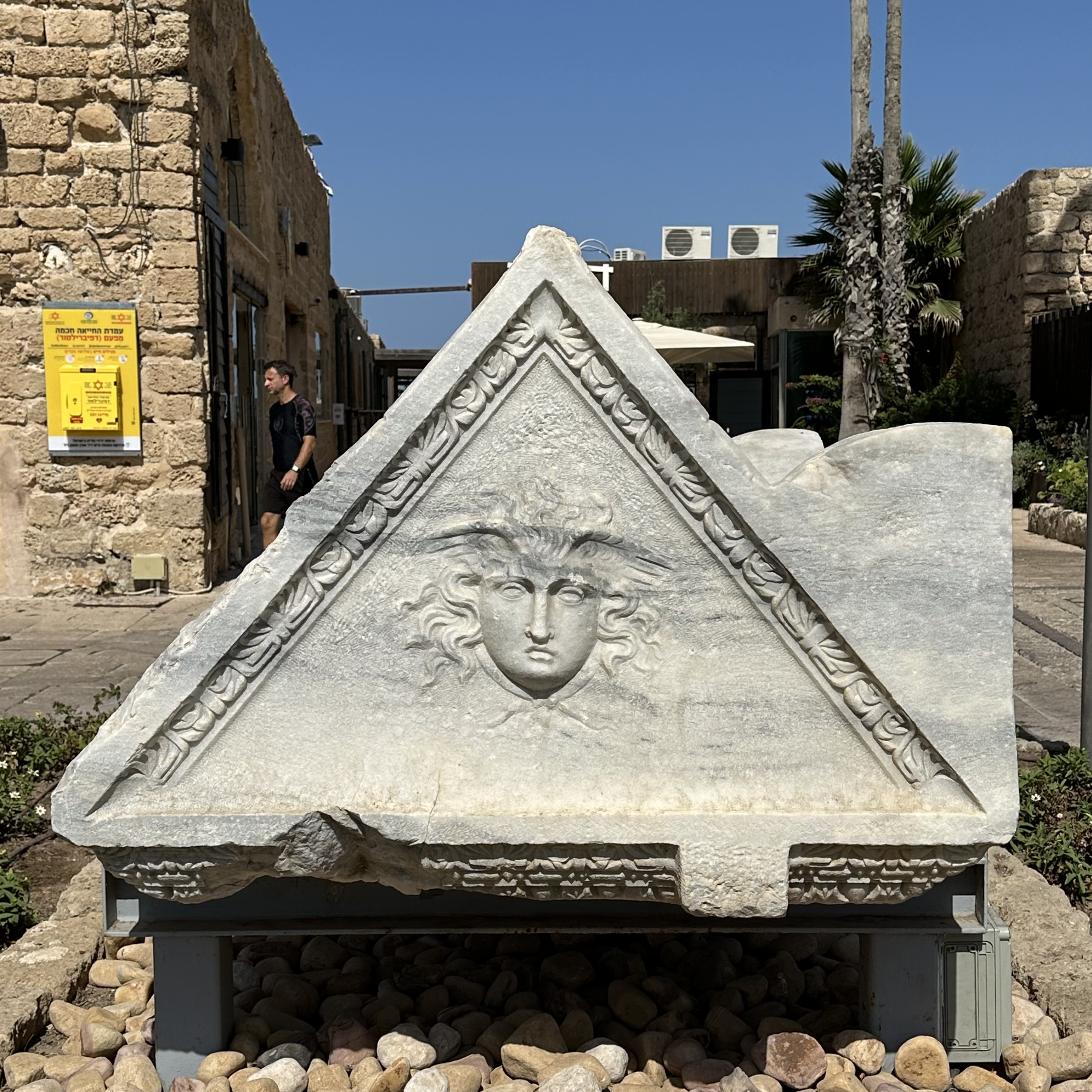
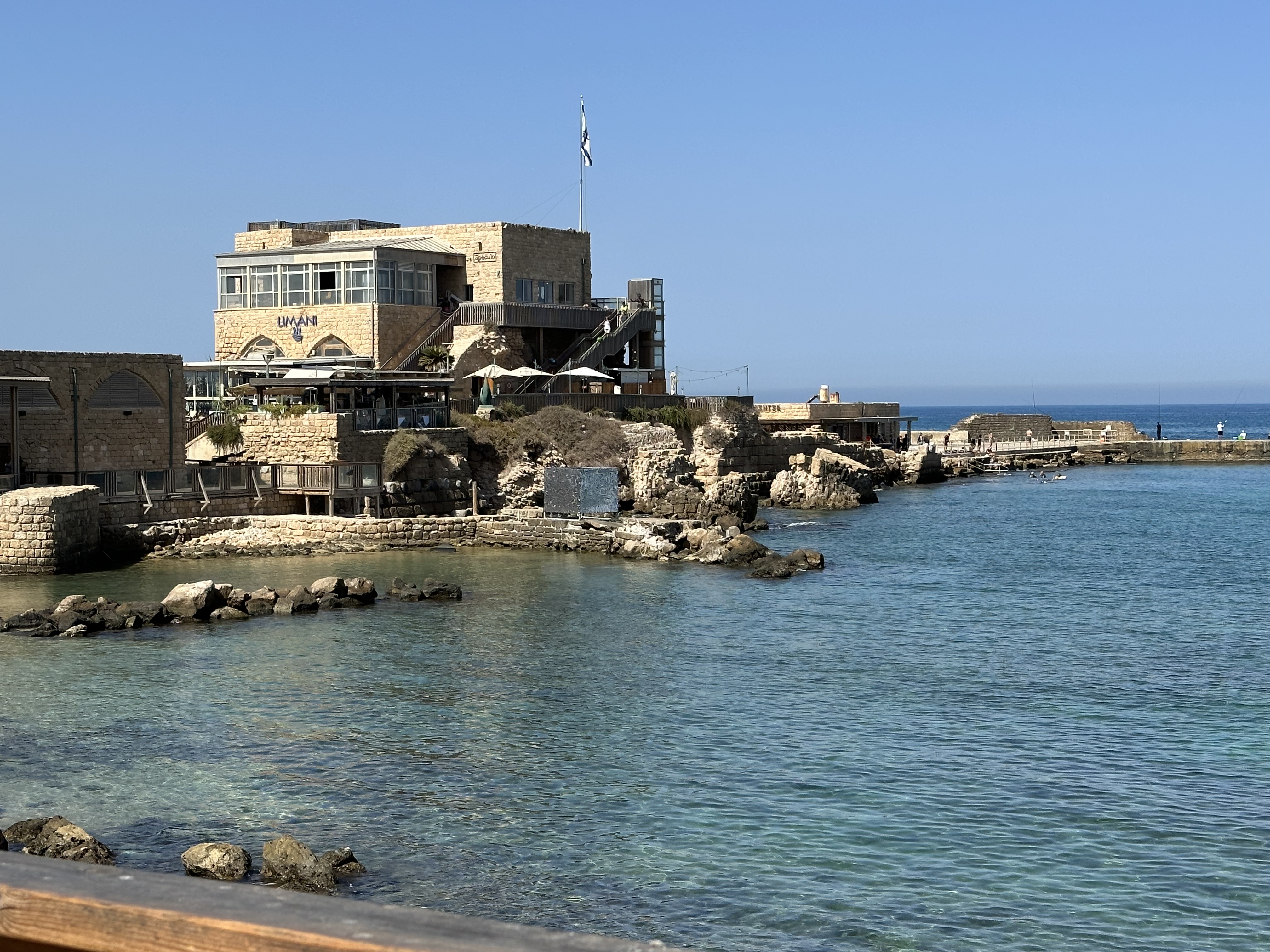
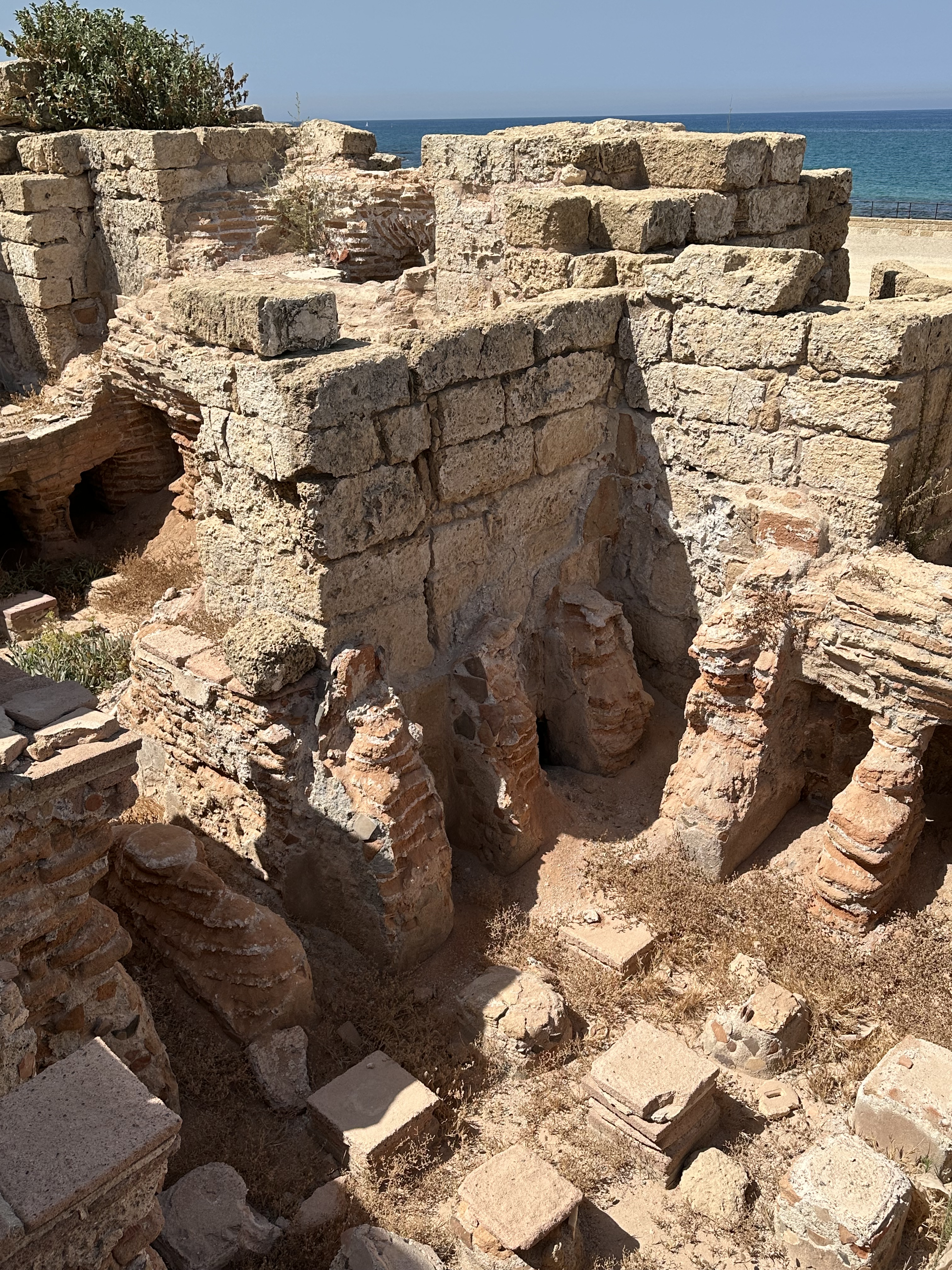
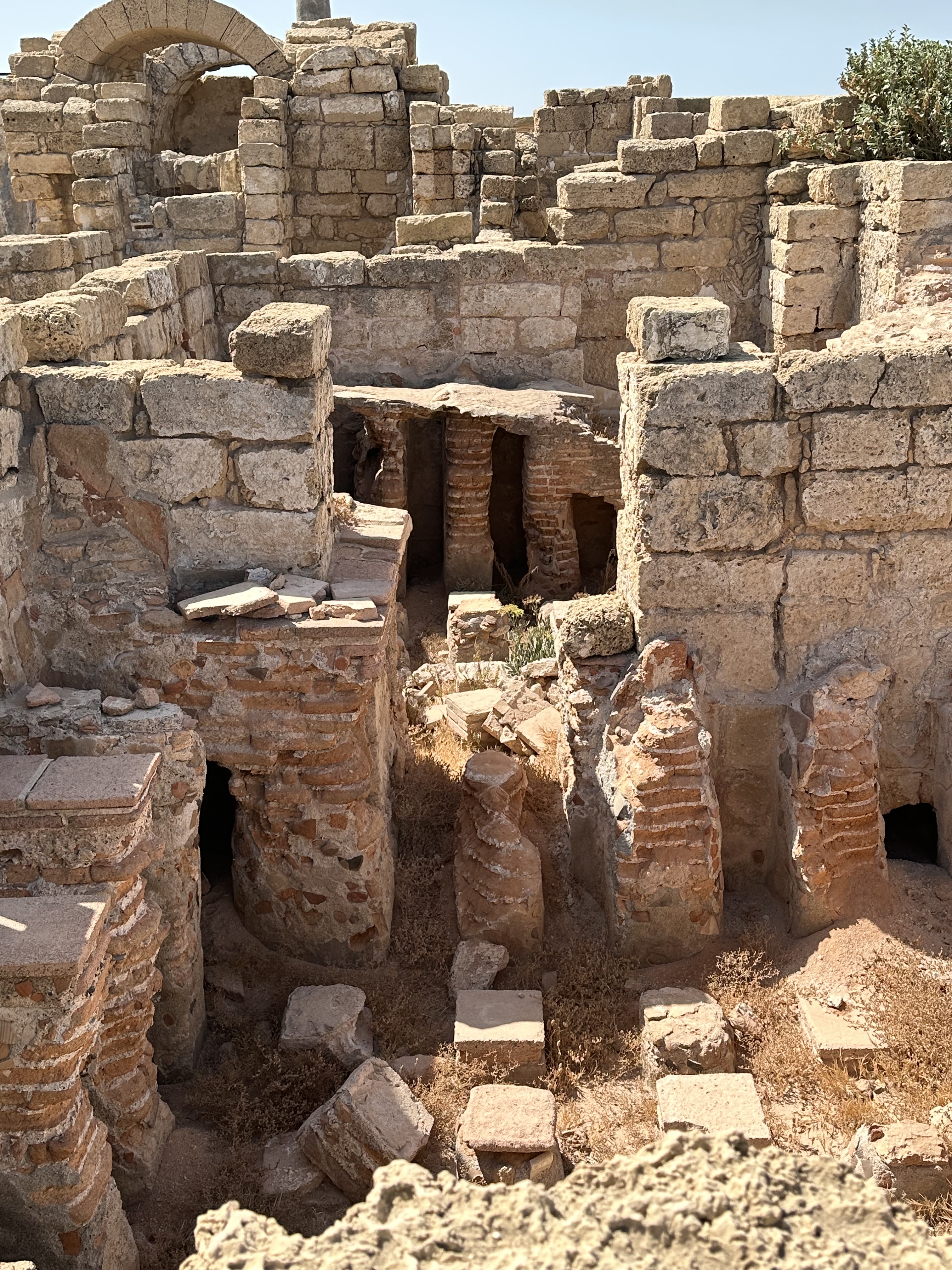
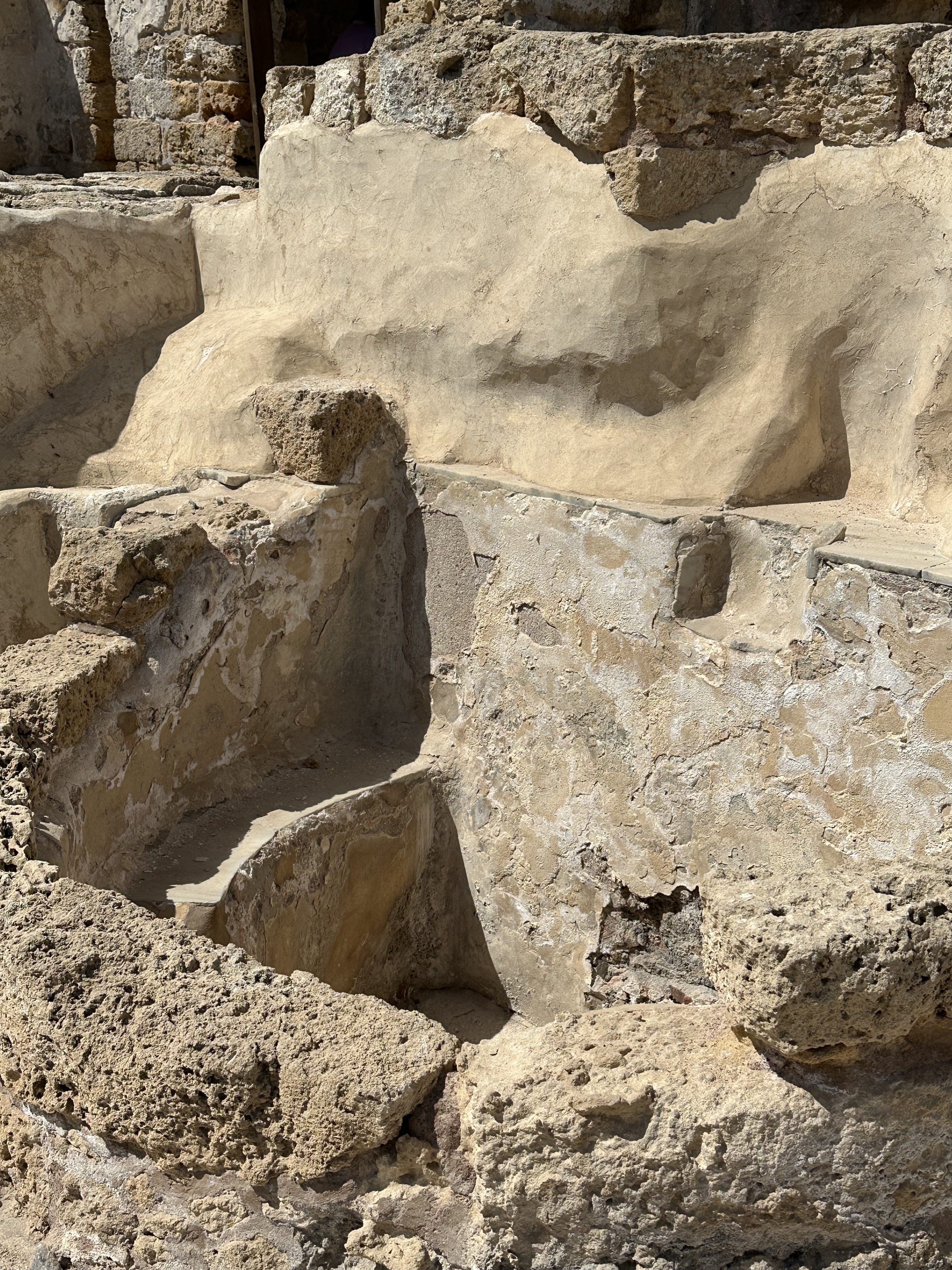
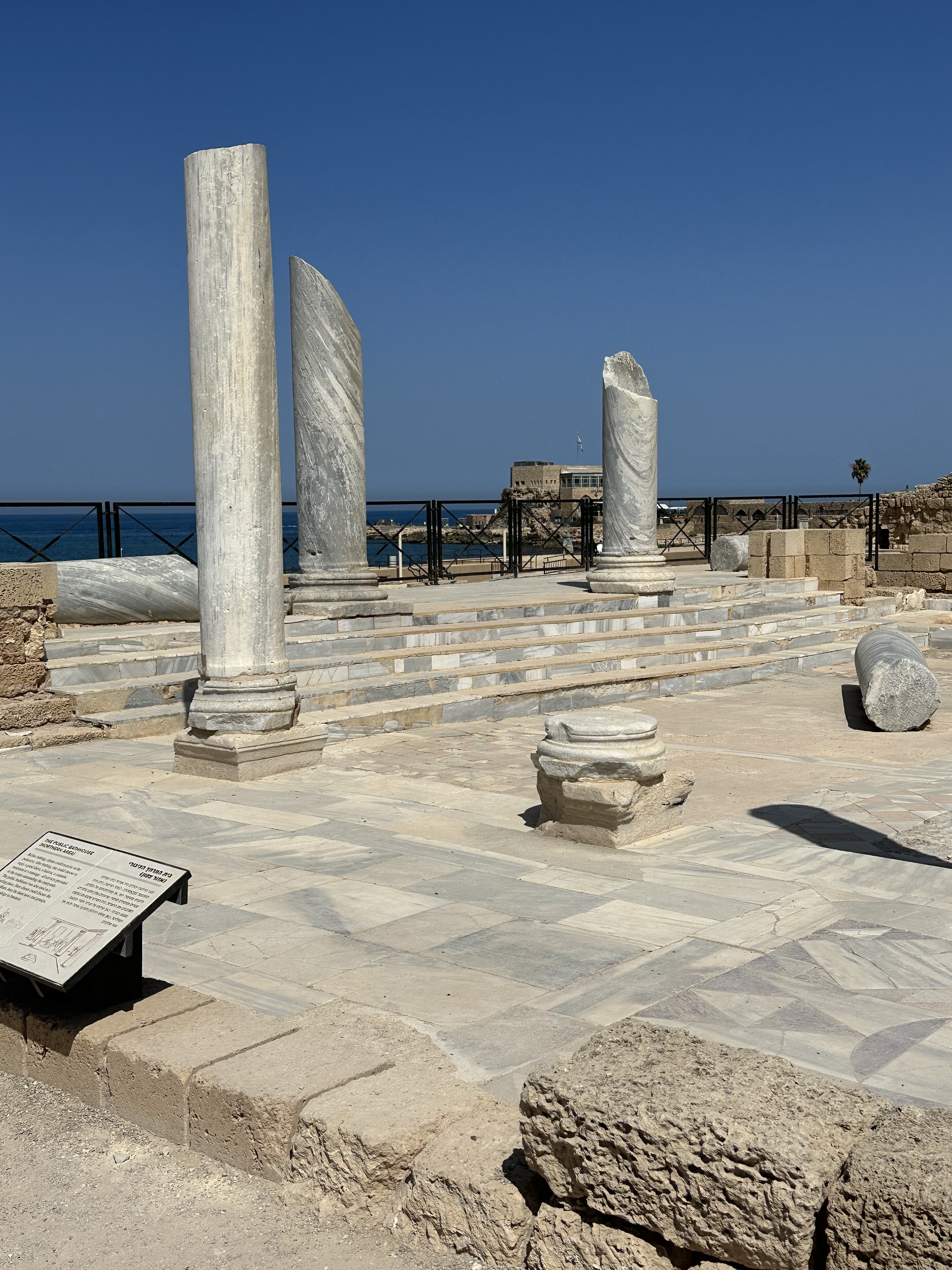
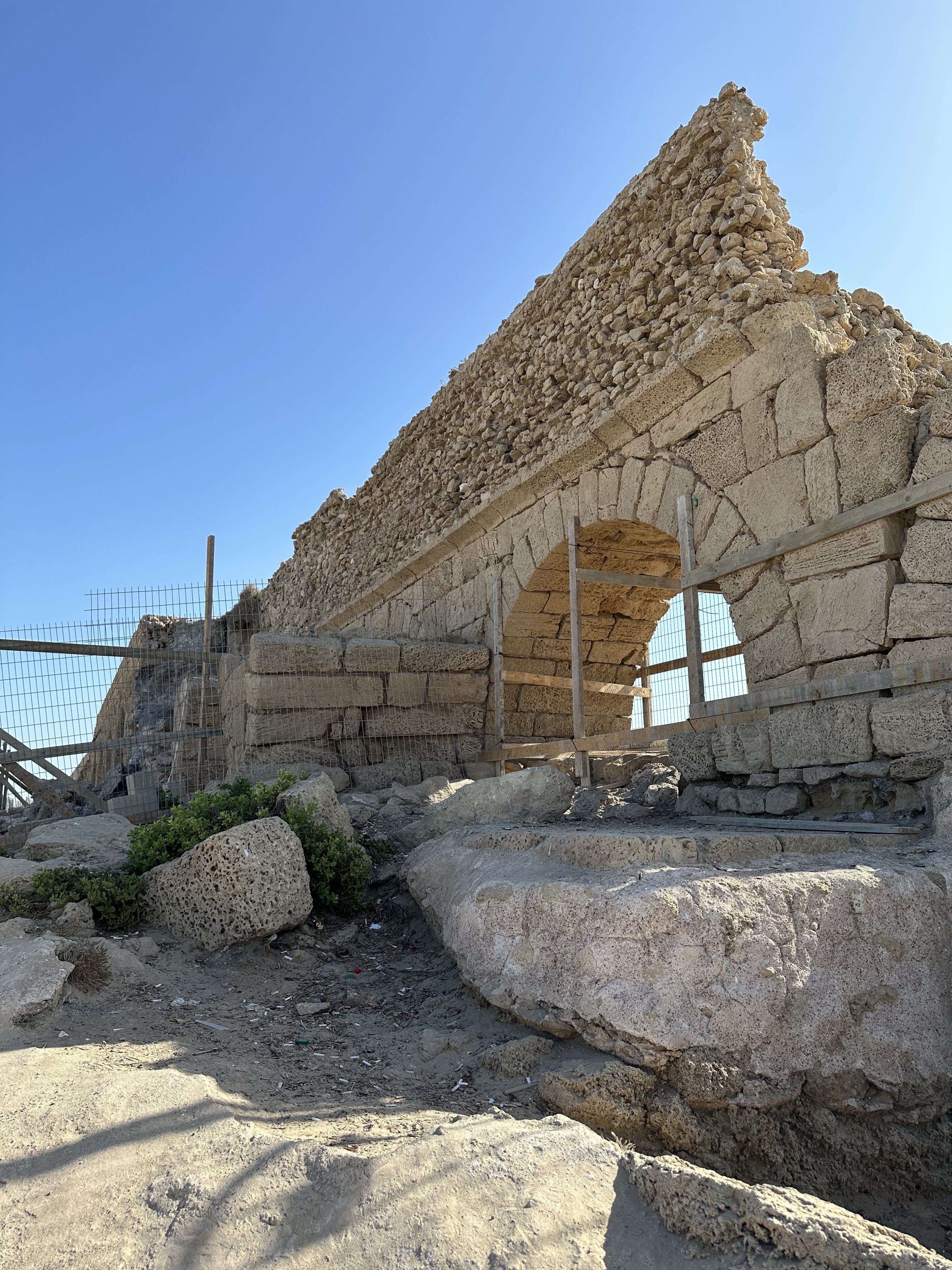
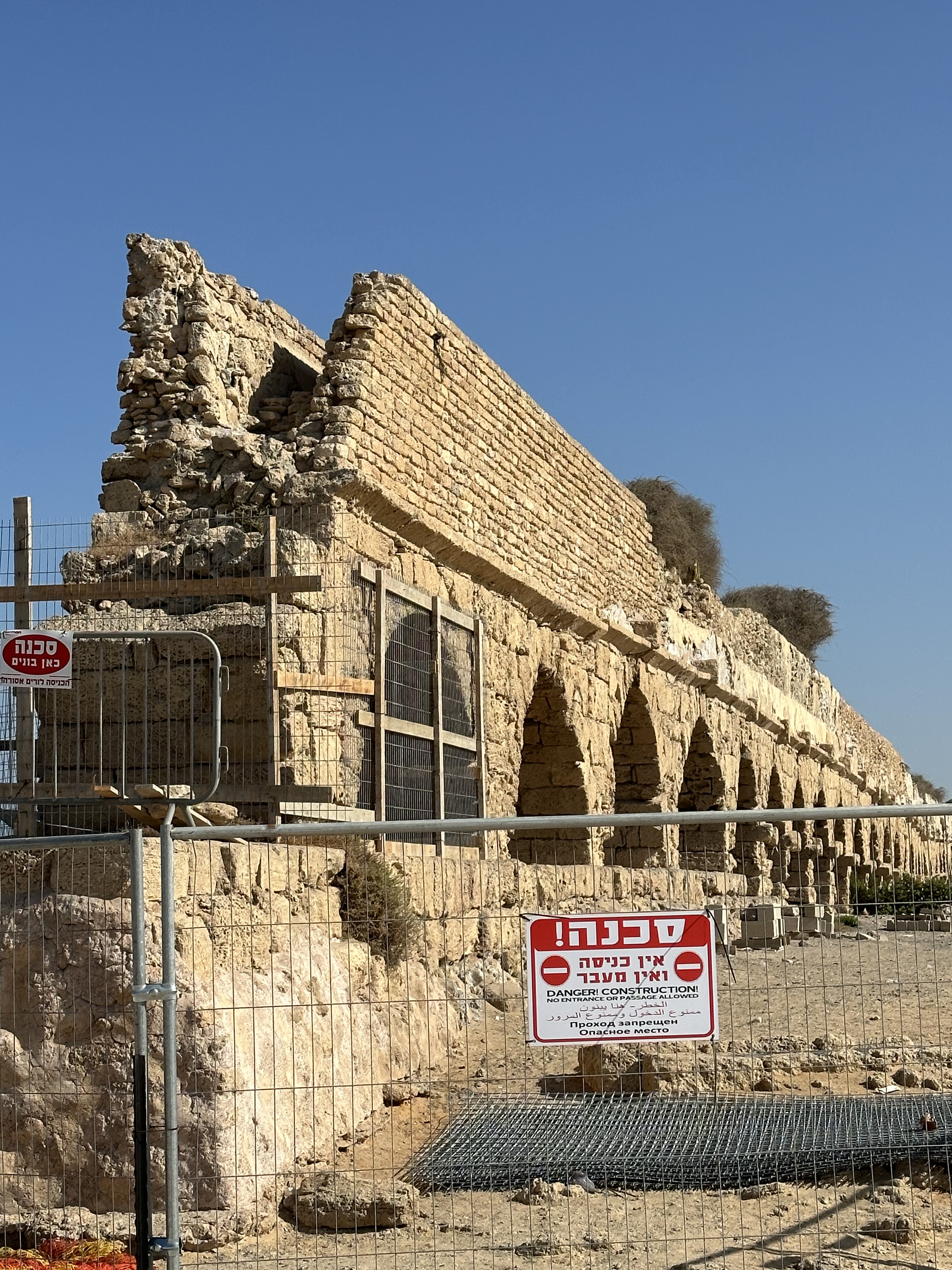
Ruins of Caesarea

Originally an ancient Phoenician settlement known as Strato’s Tower was rebuilt and enlarged in 22-10 BCE by Herod, king of Judaea under the Romans and renamed for his patron [emperor Caesar Augustus]. Caesarea had an artificial harbor of large concrete blocks and typical Hellenistic-Roman public buildings. The aqueduct which you can still see brought water from springs located almost 10 miles (16 km) to the northeast, and this compound also served as a base for the Herodian navy.

To see remnants of this ancient city are incredible. Teams have been excavating since 1950 and have unearthed a Roman temple, amphitheater, and a hippodrome that can seat 20,000. Further excavations on land and underwater are giving a clearer picture of the artificial harbor built by Herod the Great.

Stay tuned,
Kathleen
Jerusalem

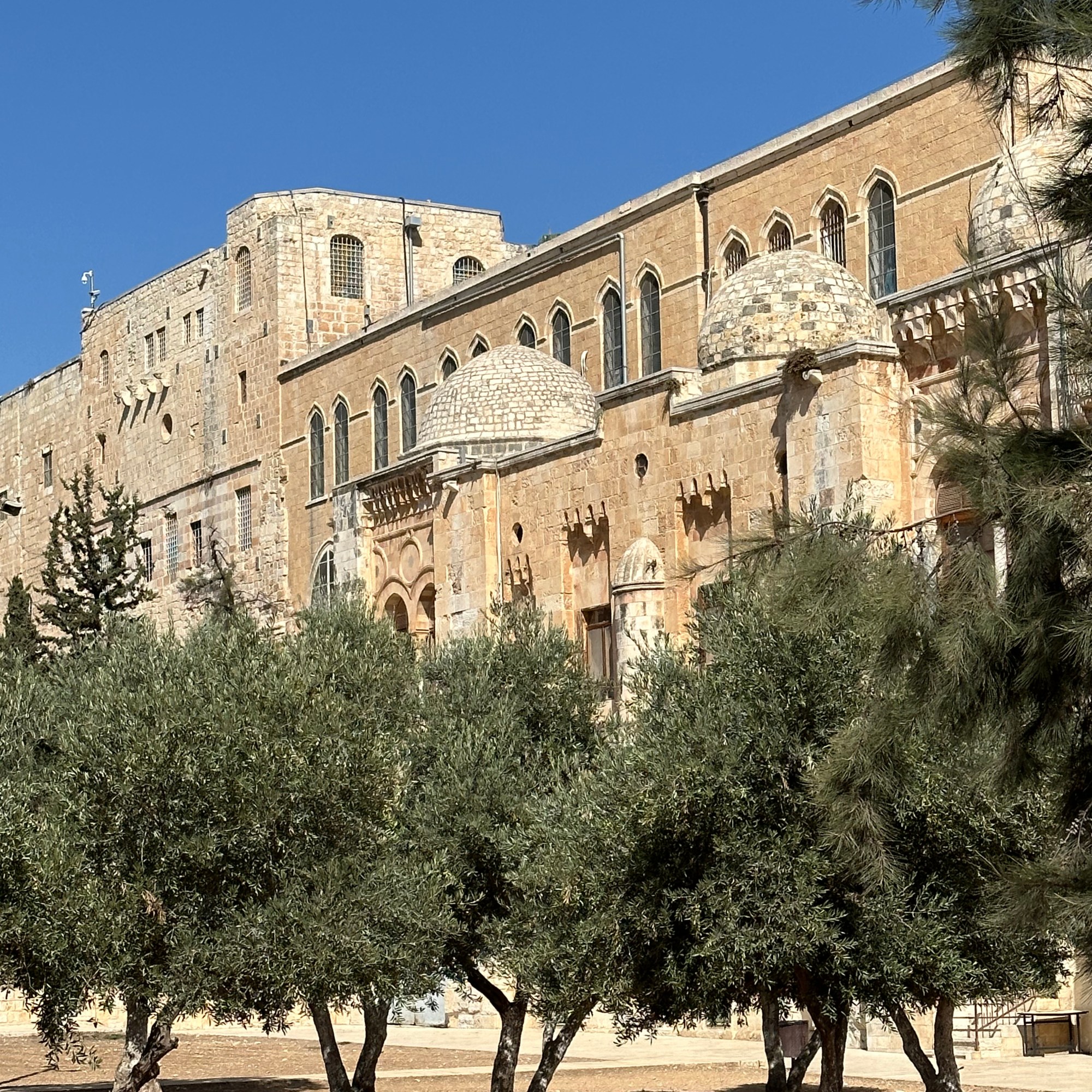
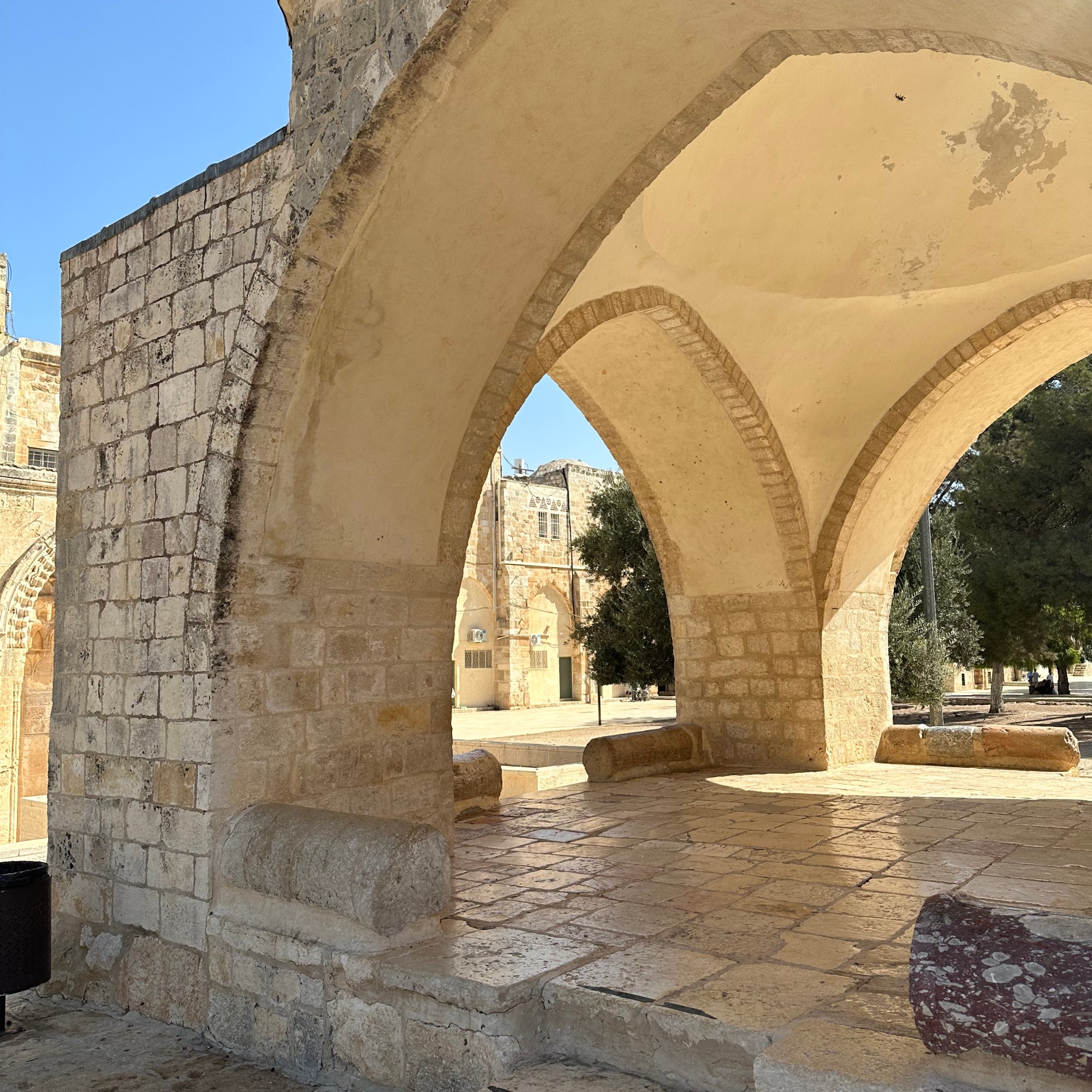
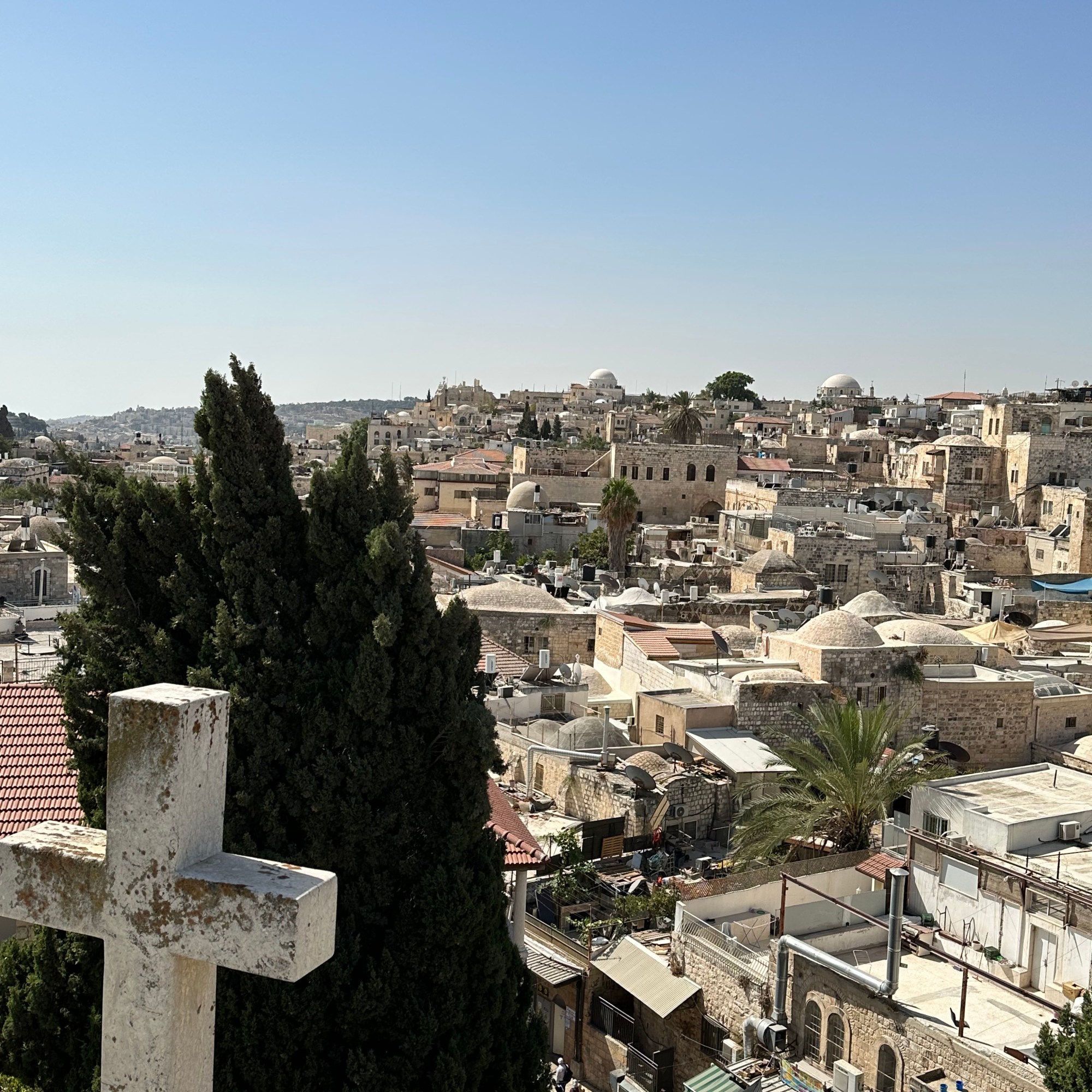
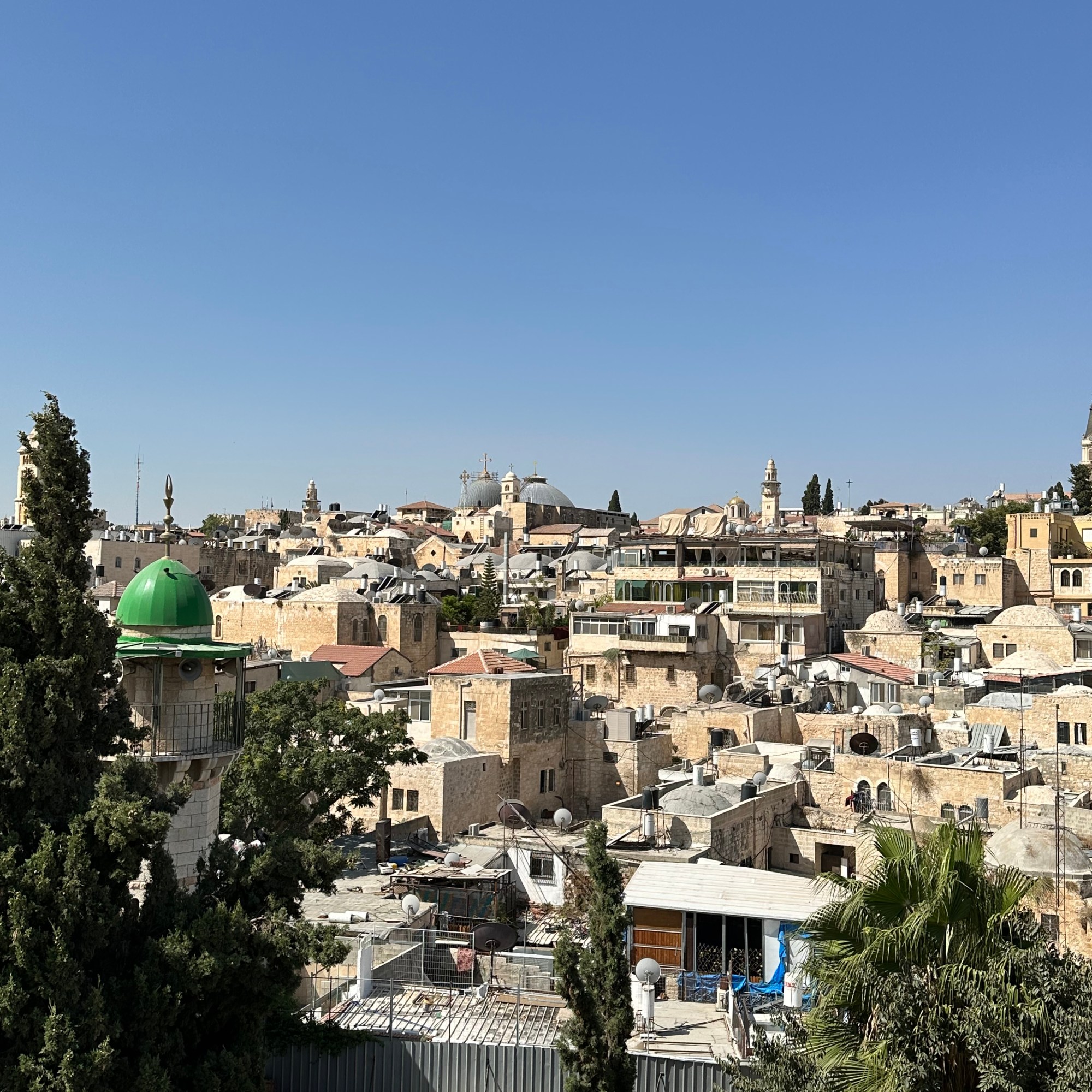
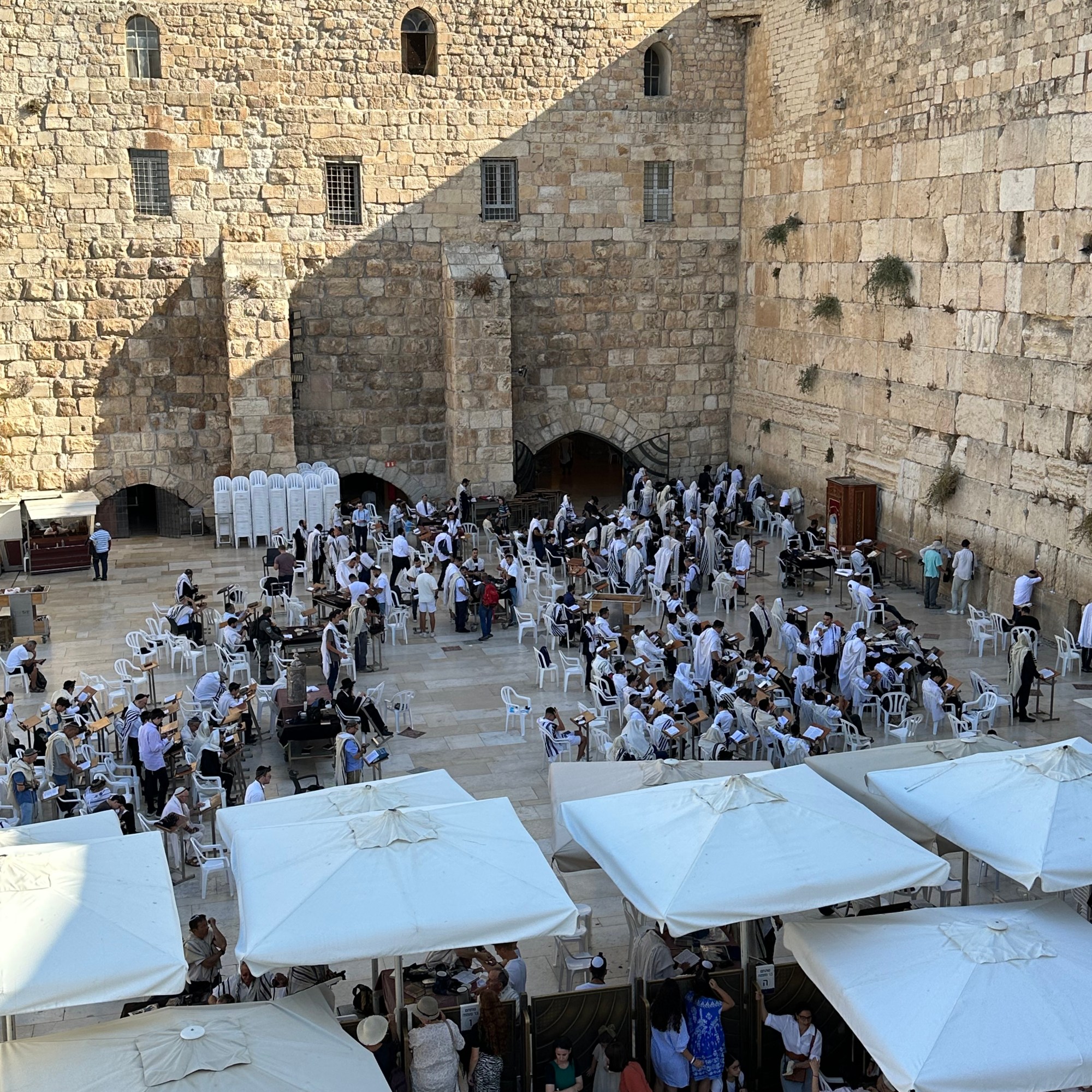
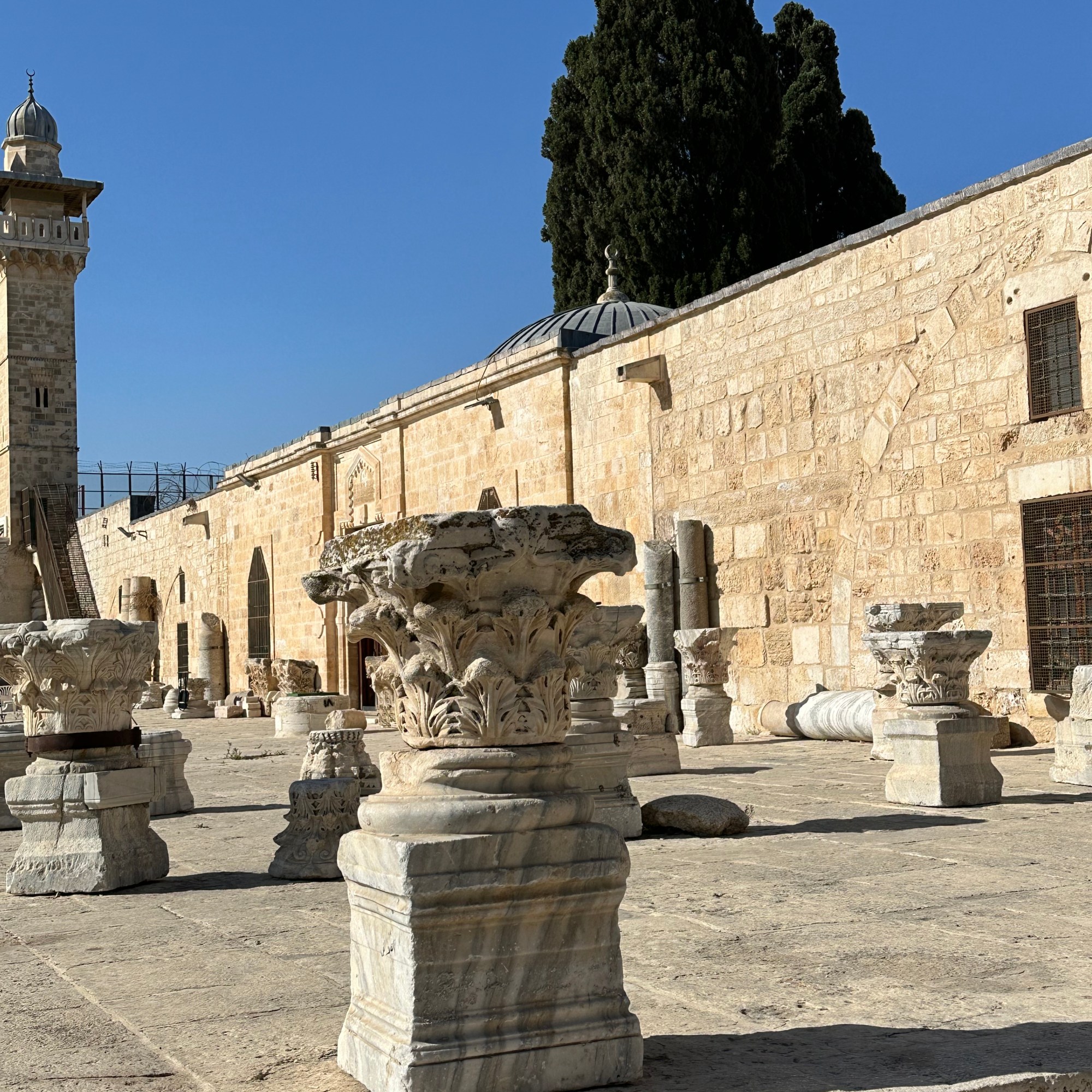
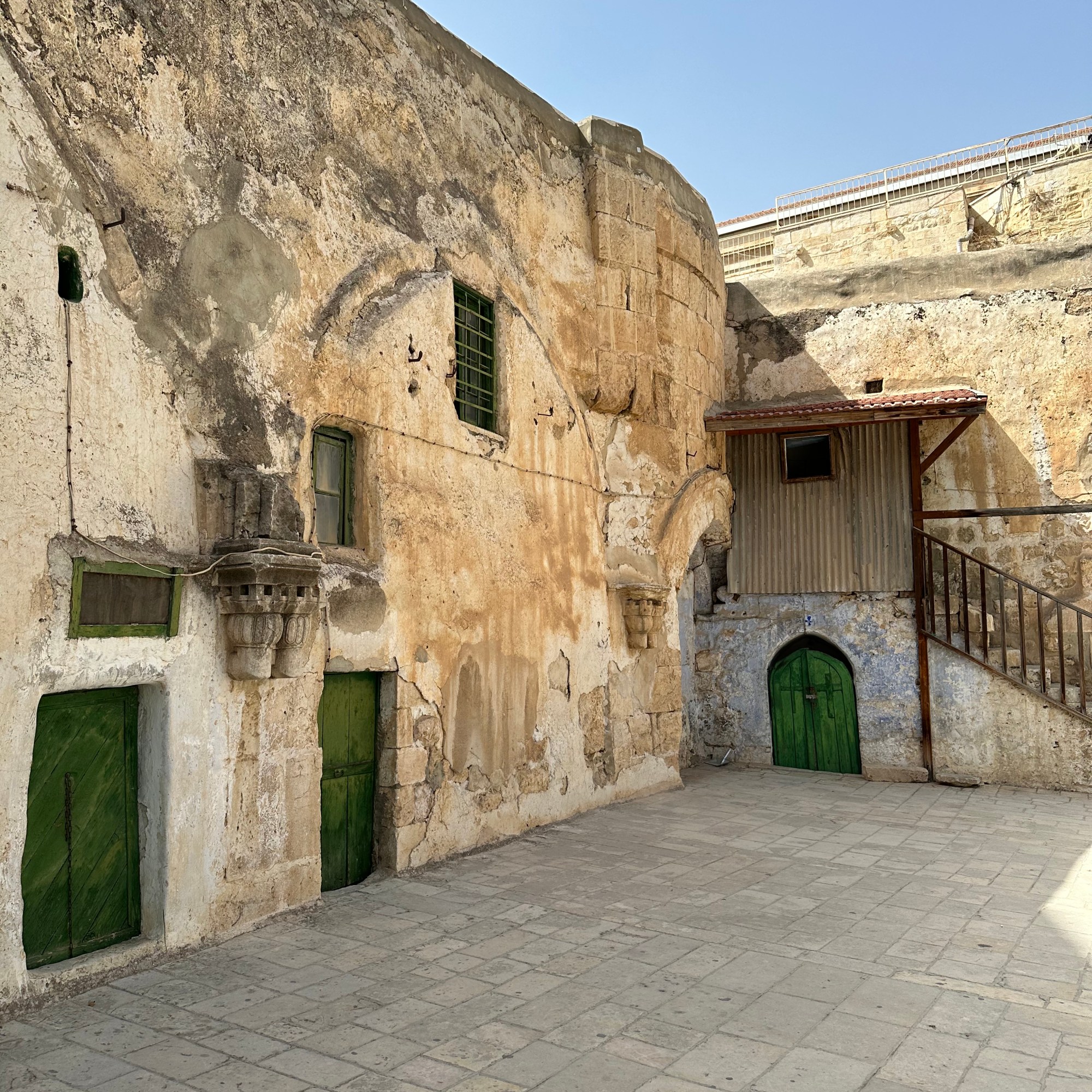
In the Judaean Mountains between the Mediterranean and Dead Sea[s] lies one of the oldest cities in the world. Surrounded by ancient walls, the Old City is home to numerous holy sites. I didn’t arrive with preconceived notions or ideas in regards to the country. Just getting out and about to explore Israel was a learning experience. The countryside is absolutely beautiful with diverse landscapes and scenery, ranging from a desert in the south and lush green hills in the north. There were amazing ruins dating from almost every empire and period from history; the Babylonians, Greeks, Romans, and Crusaders.

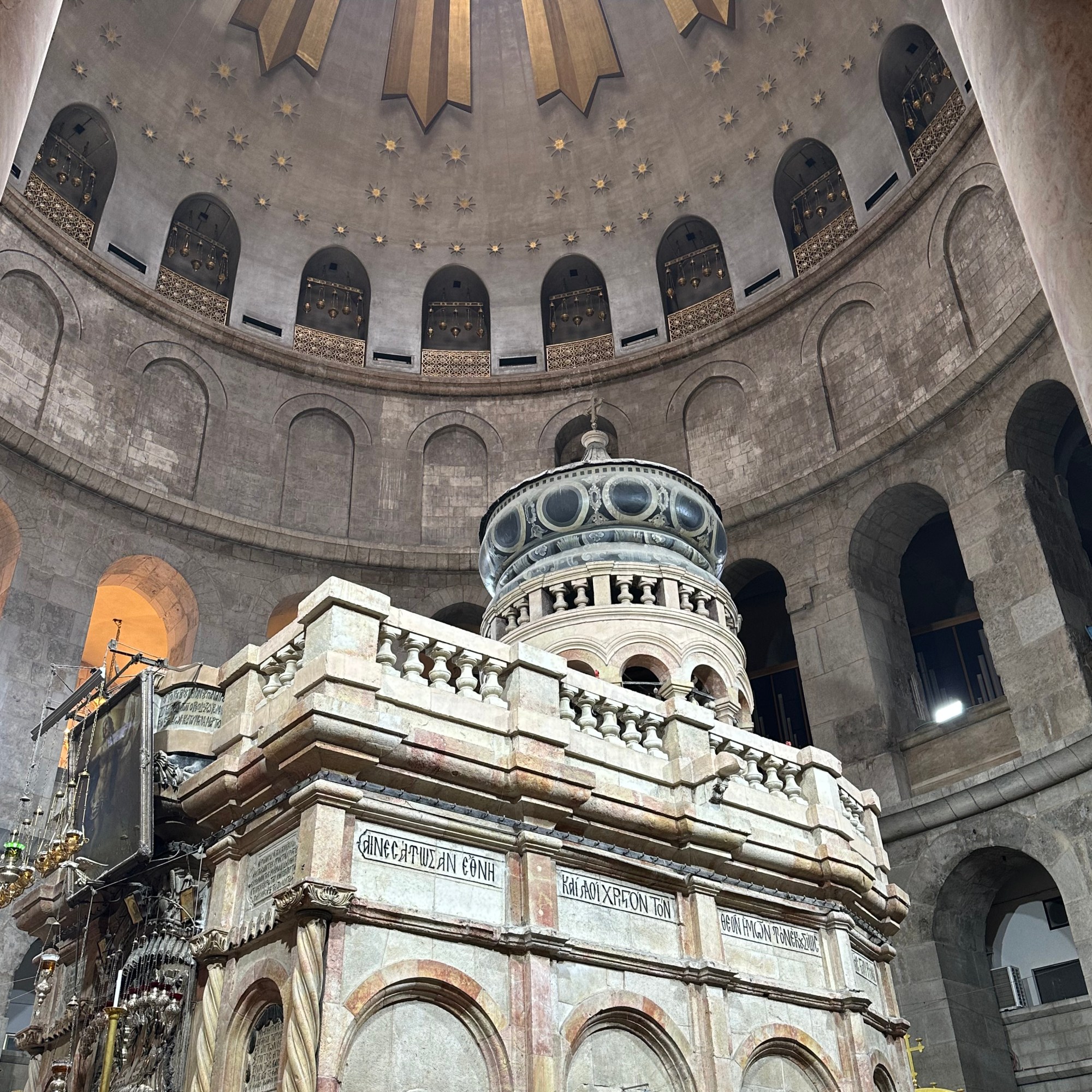
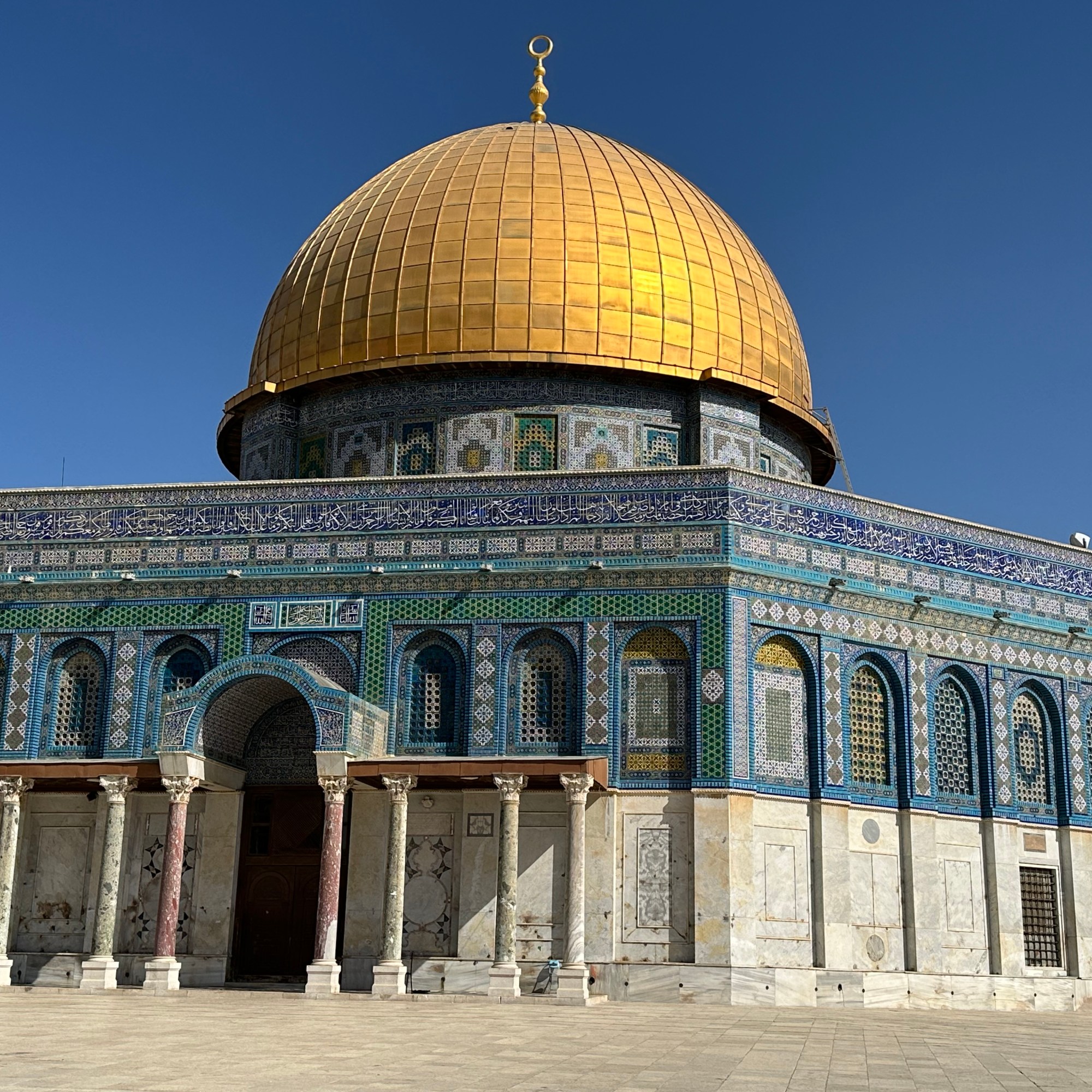
The Dome of the Rock is an Islamic shrine patterned after nearby Byzantine churches and palaces. Its outside appearance was changed during the Ottoman period and again in modern times. In the Christian Quarter of the Old City is the Church of the Holy Sepulchre, also known as the Church of the Resurrection to which our guide stated is considered one of the holiest sites for Christians in the world.

Walking through the Old City is tantamount to walking through time ……. going back thousands of years in history. Jerusalem has been conquered and ruled by varying groups of people and today the city is divided into quarters that represent the different ethnic/religious groups that have lived in the walled city for centuries. There are four distinct and vibrant quarters; Armenian Quarter, Christian Quarter, Jewish Quarter and the Muslim Quarter. You do a bit of walking in order to see the layout of the city. I dressed “modestly” …… keeping my shoulders cover and wore long pants with shawls covering my head in order to see religious artifacts or to enter a Mosque or the Holy Sepulchre.

Food in each area was very good, and we enjoyed tasting items unique to each quarter. I favored the falafel sandwich from the Muslim quarter and want to try and remake it at home.

Kathleen