There isn’t a woman alive who can go to Paris without shopping or at least looking at Chanel. While in London the Victoria and Albert Museum in South Kensington had the first UK exhibition committed to the work of this phenomenal French couturier.

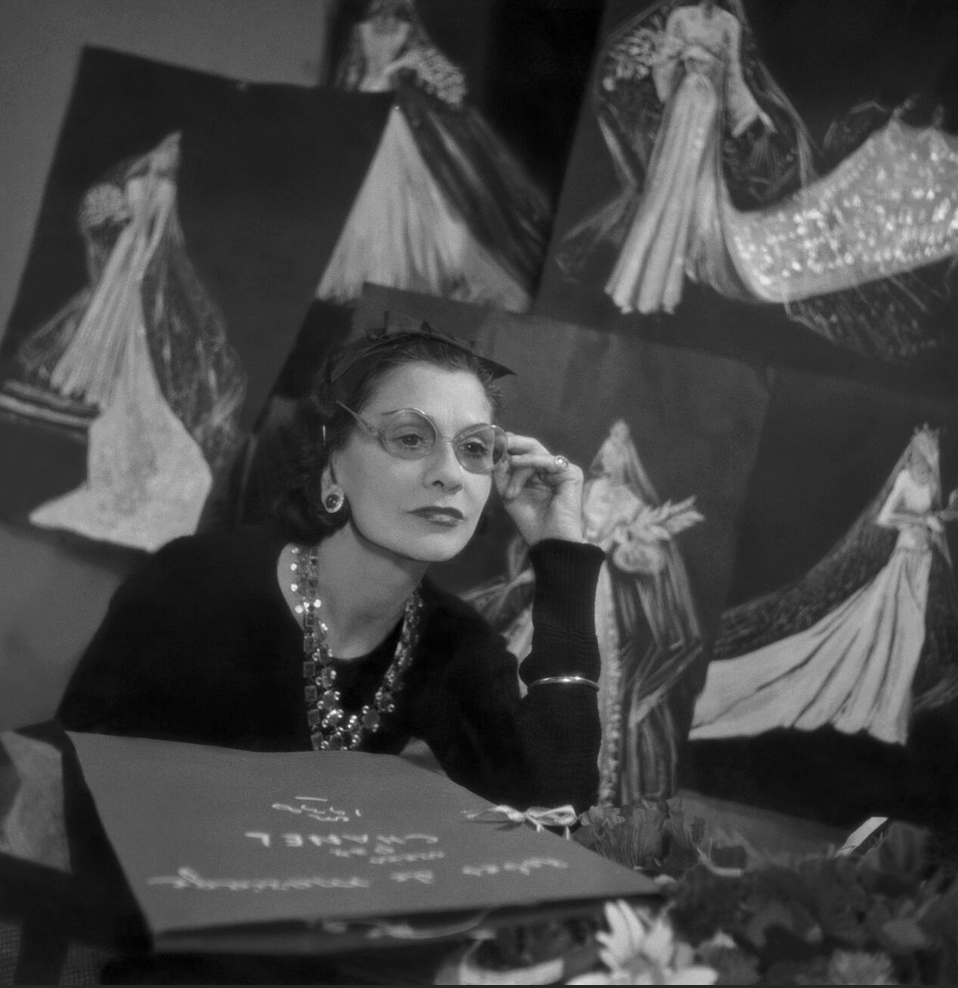
Gabrielle Chanel, 31 rue Cambon, 1937 in Paris. Photo by Roger Schall
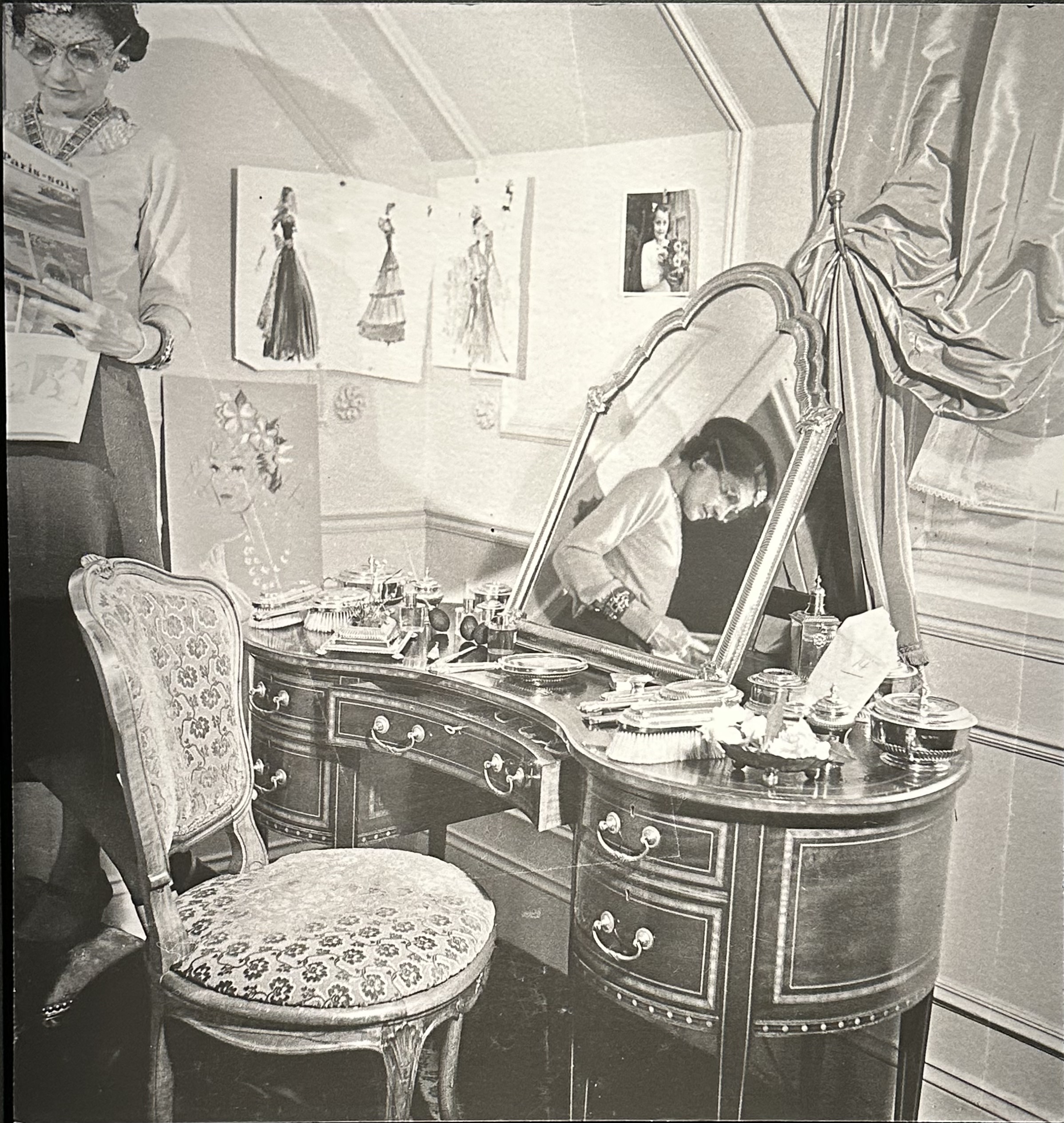
Chanel’s private suite at the Ritz hotel, Paris. Photograph taken by Francois Kollar, 1937
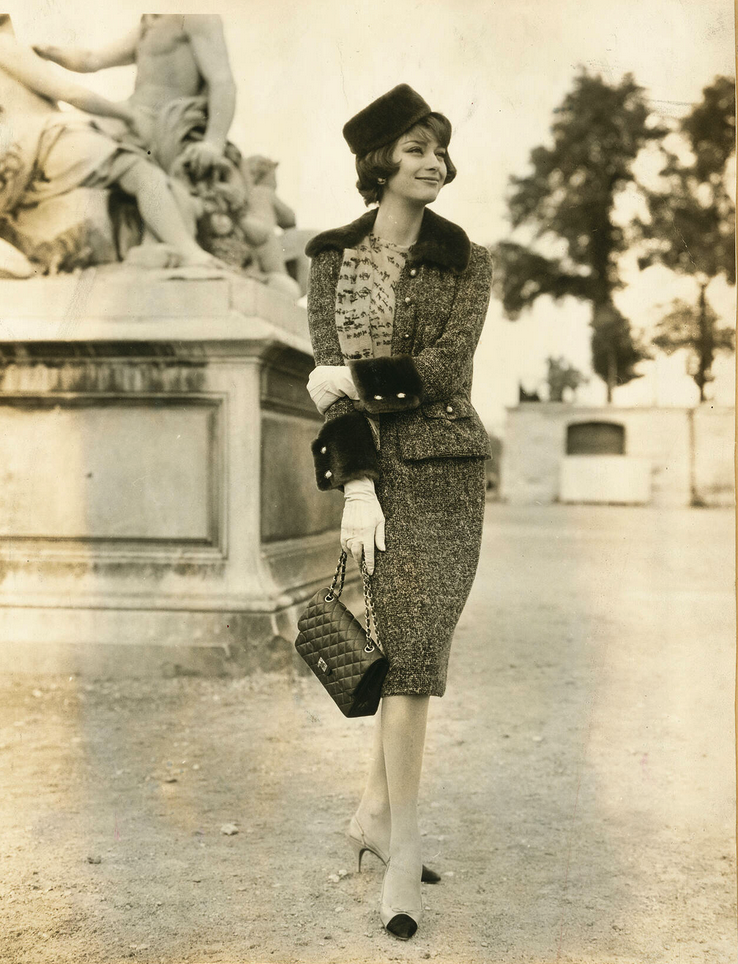
Marie-Helene Arnaud in tweed suit from Chanel’s Fall/Winter 1959 collection, wearing Chanel shoes and the 2.55 Chanel handbag.

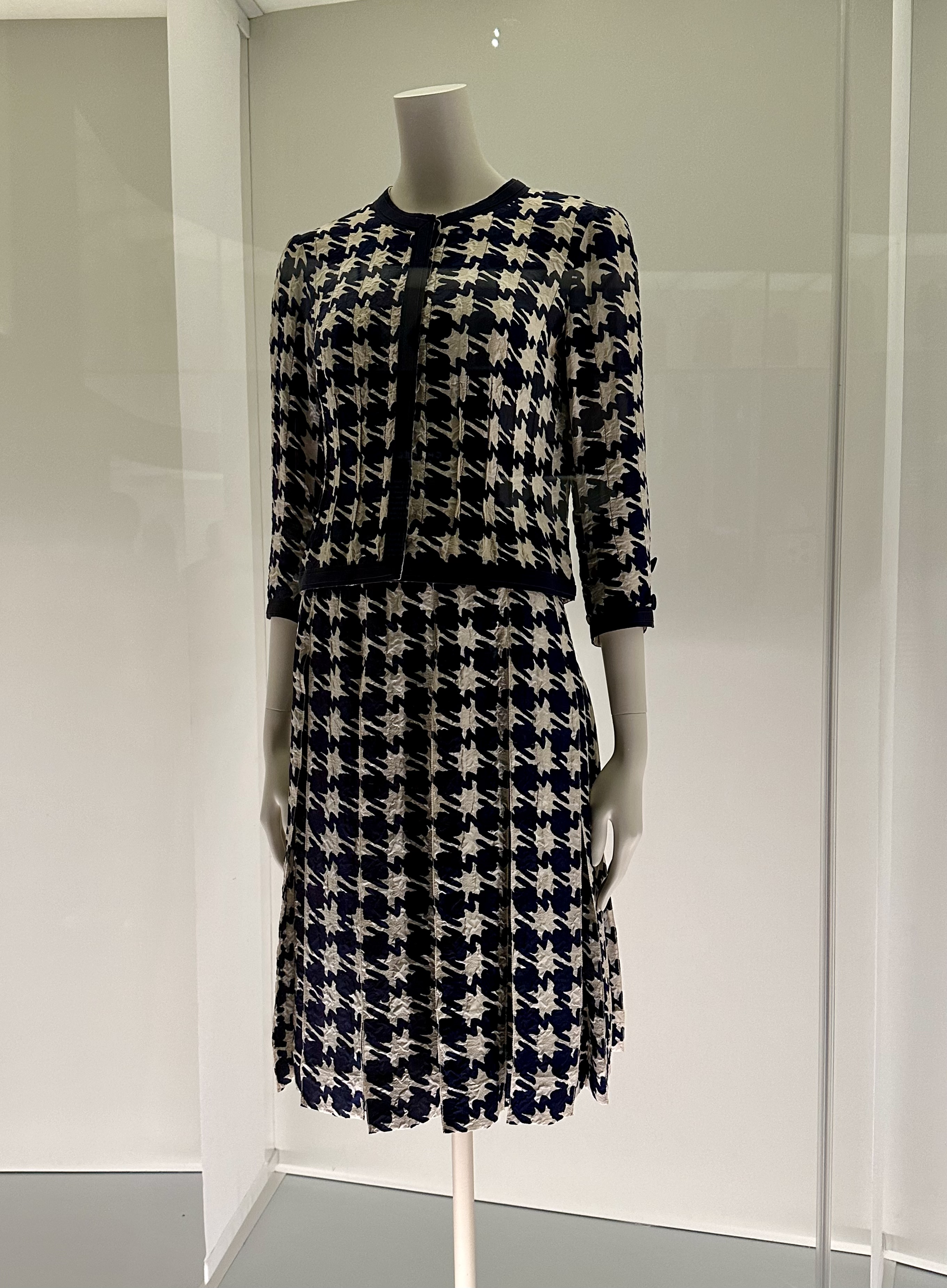
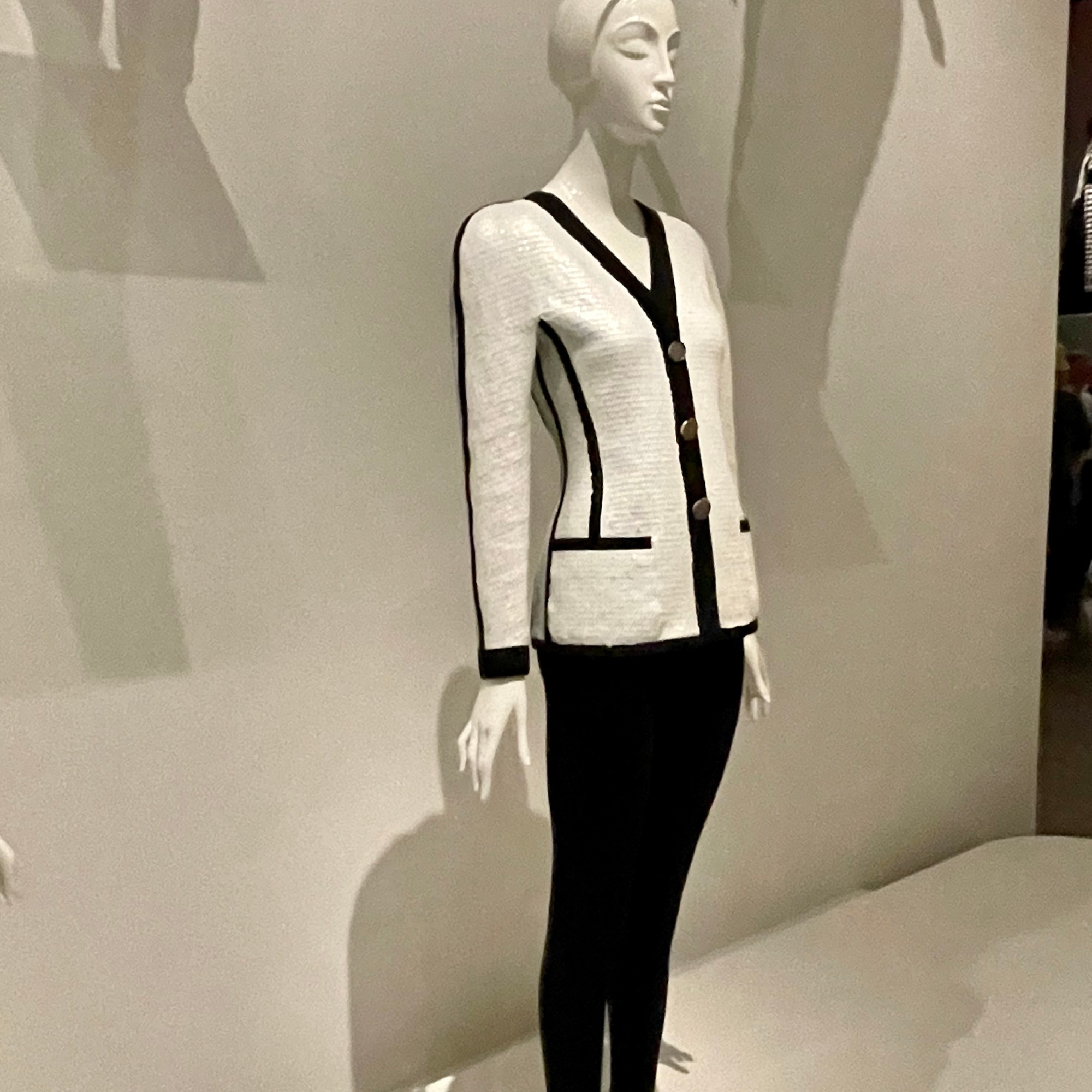
Summer dresses favored supple textile such as muslin, pongee, cotton cheesecloth or crepe de Chine. Chanel’s post-war contribution to fashion was the suit. A declaration of modern femininity, the Chanel suit for women combined ease and comfort with chic simplicity. Supple fabrics were used to allow for greater freedom of movement so, you will not see padding or stiffening agents in her garments. Chanel adopted a cardigan-like cut for her jackets and the skirts were simple that sat on the upper-hip to allow for the natural motion of a woman’s body.
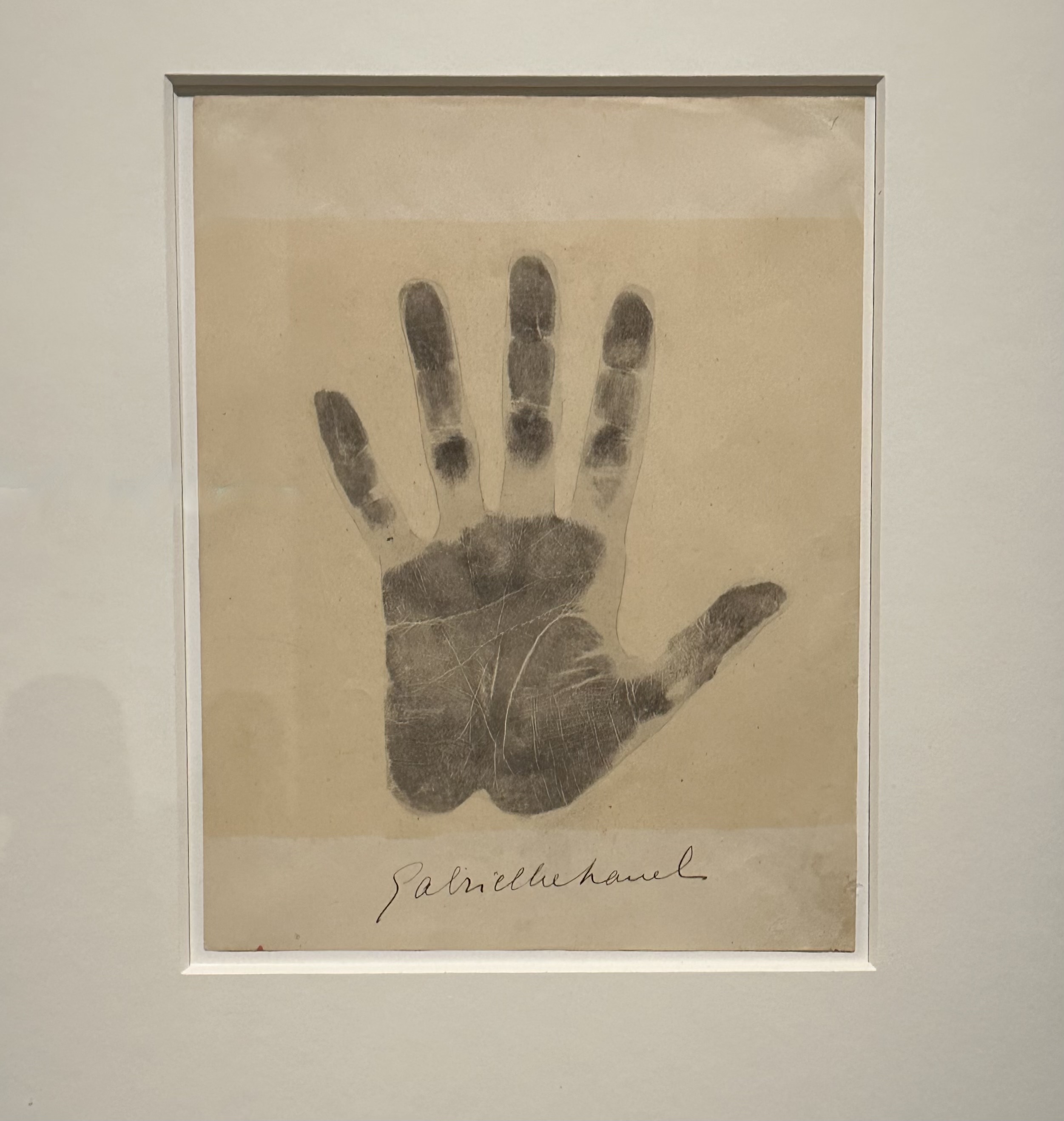


Handprint of Gabrielle Chanel, 1939, Ink on paper
Swimming Costume for Le Train Bleu 1924, hand-knitted wool
Mariniere Blouse, made from fine-gauge silk jersey, is one of the earliest surviving Chanel garments. This humble fabric was previously a textile for underwear and stocking, but Chanel was the first to demonstrate its appeal for fashionable clothes. This blouse, inspired by collared fisherman’s pullovers, would have been worn with a gathered skirt as part of a suit. Spring/Summer 1916. Silk jersey.


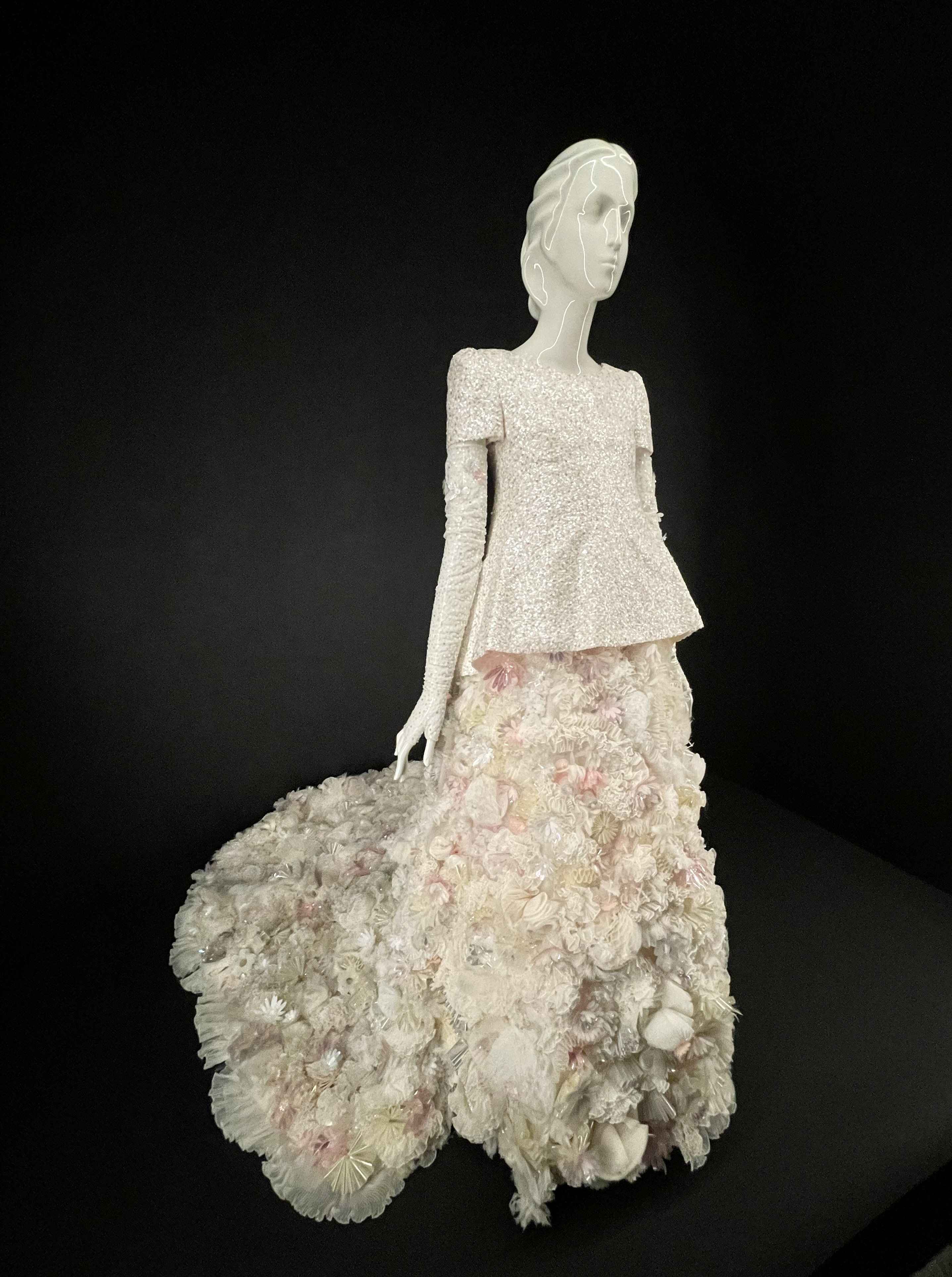
By the end of the 1950’s Chanel continued to produce innovative eveningwear. These colorful dresses in the middle photo have a deft handling of chiffon, shirred close to the bodice then flowing out at the skirt is reminiscent of her 1930s silhouettes.
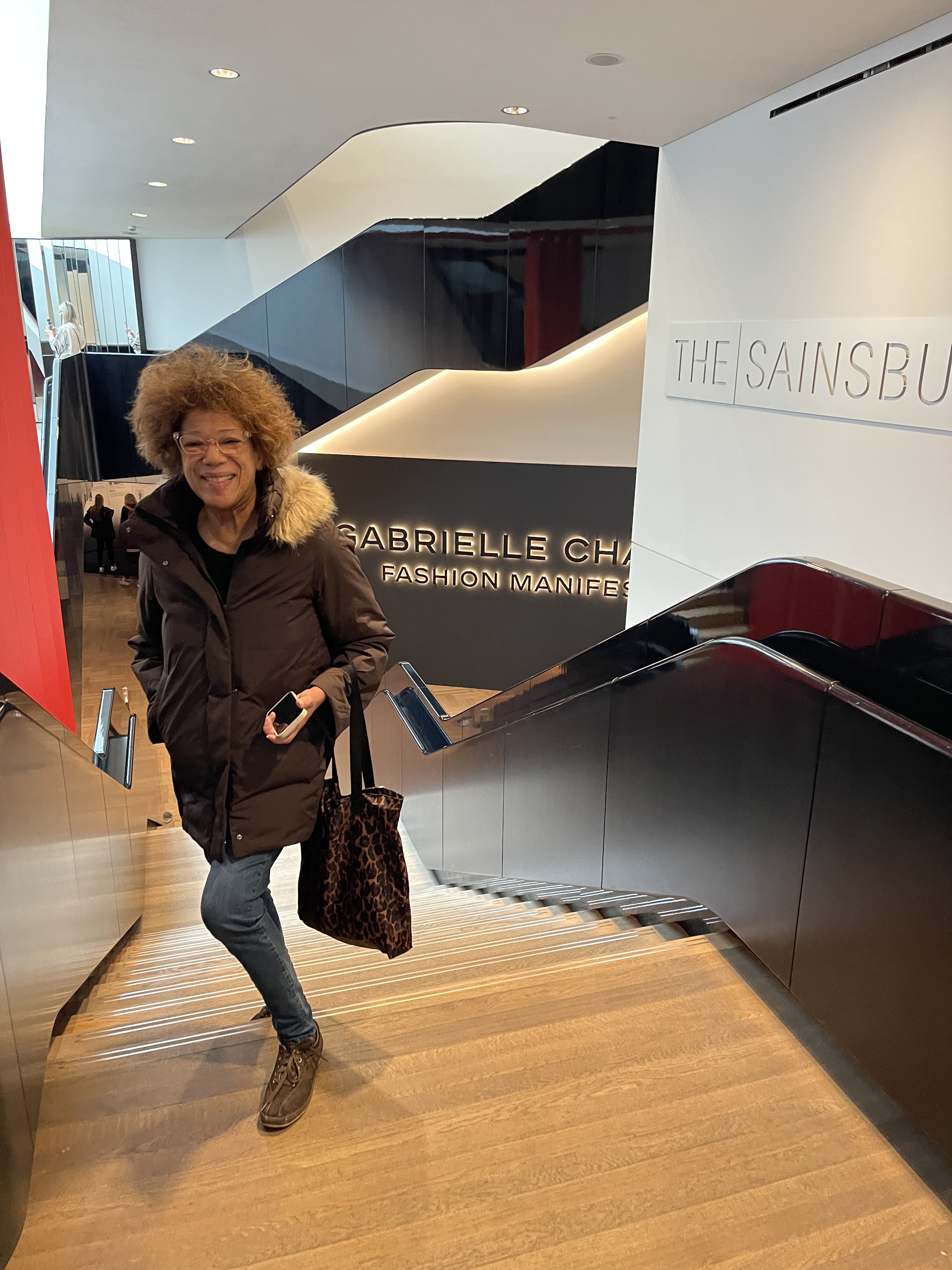
Photo of me entering the Gabrielle Chanel. Fashion Manifesto exhibit at the Victoria & Albert Museum
Cromwell Road, London, SW7 2RL
Stay stylish,
Kathleen





 Stylish Heath